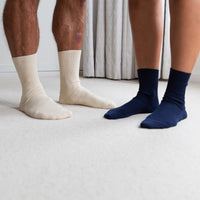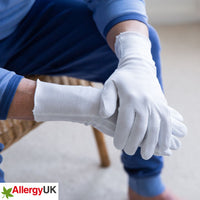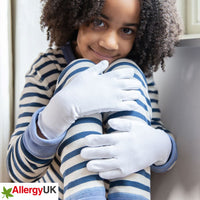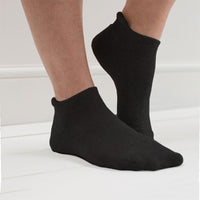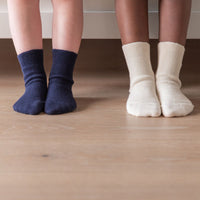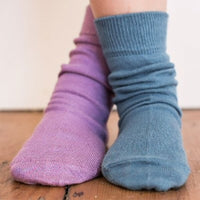


At Eczema Clothing, we have been pioneering the use of organic cotton for over 40 years, which is when we first designed our Cotton Mitten PJs to help children with itchy skin sleep better.

Now, we stock over 12 brands for adults and children, but we still believe in natural material, using organic cotton in all of the garments that we sell.
Generally, evidence suggests highly processed synthetic fabrics, as well as wool - even though it is natural - can aggravate sensitive skin. Wool can be coarse or very textured, which can rub against inflamed skin and its powerful heat retention properties can make it less breathable. It can also act as a trigger for people with allergies, a high proportion of whom also have some form of dermatitis.
What is the Best Fabric for Eczema?
The best fabrics for eczema are smooth, breathable, and free from harsh chemical treatments. The three most regularly recommended natural fabrics are organic cotton, silk, and bamboo. These materials share key qualities: they are soft against inflamed skin, they do not have rough textile fibres that can cause physical irritation, and they allow the skin to breathe.
Organic Cotton
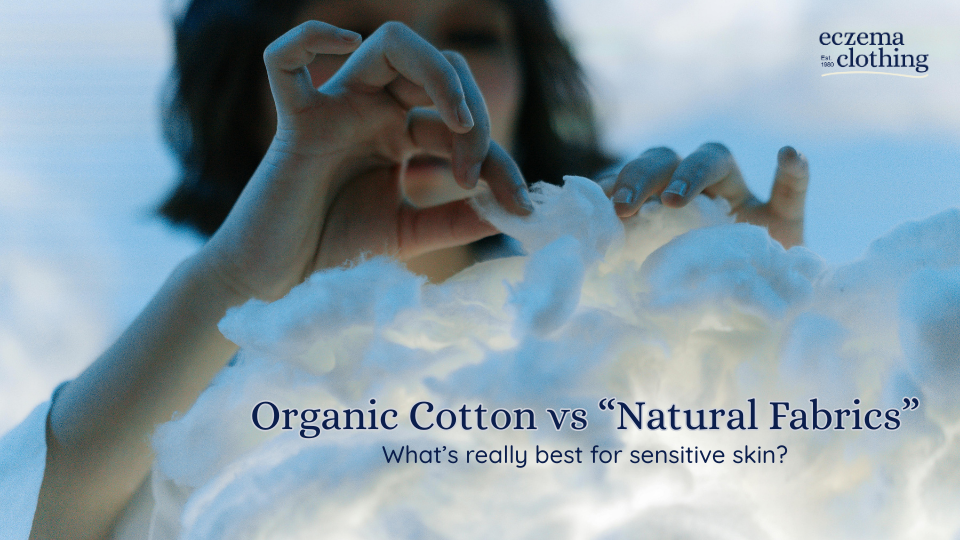
Organic Cotton has been the long-term fabric of choice for eczema sufferers and remains our top recommendation. It is naturally soft and stretchy, durable, and regains its shape after washing. Because it is grown without synthetic pesticides, herbicides, or GMOs, it is far less likely to carry chemical residues that can irritate sensitive skin.
Organic cotton often carries certifications such as GOTS (Global Organic Textile Standard), which ensures no harmful dyes or chemicals are used during processing.
Critically for eczema sufferers, organic cotton can be washed at 60°C or above — a temperature that kills house dust mites and removes allergens, residual creams, and dead skin cells from the fabric. Most other fabrics cannot be washed at this temperature without damage.
Silk
Silk is a strong, naturally produced fibre that can be grown without pesticides or fertilisers. It is breathable, soft, and able to absorb moisture, making it a gentle choice for irritated skin. Wearing silk genuinely feels like a treat — a small daily comfort when you are managing sore or inflamed skin.
The main drawbacks are its cost and the need for low-temperature washing, which means it cannot be used to kill dust mites or remove creams as effectively as cotton.
Bamboo
Bamboo fabric has grown rapidly in popularity. It is lightweight and soft, with good moisture-wicking properties that help keep skin cool and dry. It also has natural hypoallergenic and antimicrobial qualities, making it attractive for sensitive skin.
However, bamboo requires significant chemical processing to convert the plant into a wearable yarn, and like silk, it needs to be washed at lower temperatures — which means it cannot reliably remove dust mites or embedded creams.
Is Cotton or Bamboo Better for Eczema?
Both have real benefits, but organic cotton has the edge for most eczema sufferers because of its washability at 60°C+. If you live in a home with high dust mite exposure, or if you use topical creams regularly, the ability to hot-wash your clothing is a significant practical advantage. Bamboo is a good choice for those who are more sensitive to heat or who prioritise moisture-wicking in warmer climates.
Why is Organic Cotton Better for Eczema?
Organic cotton is often considered better for people with eczema because of the way it’s grown, processed, and how the fabric interacts with sensitive skin. Here are the main reasons why we choose organic cotton for Eczema Clothing:
Reduced Chemical Exposure
Organic cotton is grown without synthetic pesticides, herbicides, or GMOs, making it far less likely to contain residual chemicals that can irritate sensitive skin. Conventional cotton farming is one of the most chemical-intensive forms of agriculture, and traces of those treatments can remain in finished fabrics.
Hypoallergenic Properties
Because organic cotton is processed without harsh chemicals and dyes, it is less likely to trigger allergic reactions or skin sensitivities — a key concern for anyone with eczema or dermatitis.
Breathability
Organic cotton allows air to circulate freely around the skin, reducing heat and moisture build-up. This is important because overheating is one of the most common eczema triggers.
Softness & Durability
Organic cotton is praised for its softness, which makes it less likely to cause friction or chafing against inflamed skin. It often has longer and more uniform fibres than conventional cotton as the natural integrity of the fibres remain intact with less processing. This also makes it stronger and more durable.
Moisture Absorption
Organic cotton naturally wicks moisture away from the skin, helping to keep the skin surface dry- excess moisture is a well-known aggravator of eczema symptoms.
Washing at 60 Degrees Removes Dustmites and Allergens
This is one of organic cotton's most underrated advantages. Washing at 60°C kills house dust mites, removes allergens, and clears away residues from creams and emollients (some of which, if petroleum-based, can even become a fire hazard if they build up in fabric). Silk, bamboo, and most synthetics cannot be washed at this temperature.
Eco-Friendly
Organic farming uses significantly less water and avoids the heavy pesticide use associated with conventional cotton production. Choosing organic fabrics supports more sustainable agriculture.
What are the Worst Fabrics for Sensitive Skin?
When you have sensitive skin, certain fabrics can make irritation, redness, or itching much worse. Here are the worst fabrics for sensitive skin and why you might want to avoid them:
Wool (Especially Coarse Wool)
Despite being a natural fibre, wool is one of the most problematic fabrics for eczema sufferers. Wool fibres are thick and often rough, and even high-quality merino wool can feel scratchy against sensitive or inflamed skin. Wool's powerful heat-retention properties also make it less breathable, which can trigger overheating and sweating — both well-known eczema aggravators. Wool can also act as an allergen trigger; a high proportion of people with allergies also experience some form of dermatitis, and wool is a common irritant for this group.
Is Polyester Bad for Eczema?
Yes — polyester is one of the worst fabrics for eczema. Because polyester does not breathe, it traps heat and sweat against the skin, creating the warm, moist conditions that cause itching, rashes, and flare-ups. Polyester is also frequently treated with dyes and chemical finishes that can cause allergic contact dermatitis in people with sensitive skin. If you are wondering whether to choose polyester or a natural fabric, the answer for eczema-prone skin is always to go natural.
Is Nylon Bad for Eczema?
Like polyester, nylon is a synthetic fabric that traps heat and moisture close to the skin. It has poor breathability and is often treated with chemicals during manufacturing. For eczema and sensitive skin, nylon is best avoided — particularly in items worn close to the skin such as underwear, base layers, and socks.
Elastane, Spandex & Acrylic
Elastane (also known as spandex or Lycra) and acrylic share many of the same problems as polyester and nylon. They trap heat and sweat, reduce breathability, and are commonly produced with chemical processes that can leave irritant residues. While a small amount of elastane blended into an organic cotton garment for stretch is generally tolerable, high-elastane garments worn against sensitive skin are likely to cause problems.
Acrylic is often used as a cheaper alternative to wool in knitwear — but it combines the heat-trapping qualities of synthetics with fibres that can feel rough against the skin. It is best avoided entirely.
Rough or Heavily Textured Fabrics (Tweed, Denim, Canvas)
Rough, stiff fabrics like tweed, denim, and canvas rub and chafe against skin due to their coarse weaves. Prolonged friction from these materials causes redness, irritation, and discomfort — especially in areas where skin folds or moves, such as the inner thighs, underarms, and neck.
Dyed or Chemically Treated Fabrics
Fabrics that have been heavily dyed or treated with wrinkle-resistant or flame-retardant finishes often contain harsh chemicals. These can irritate the skin and trigger allergic contact dermatitis in those with skin sensitivities.
What About Modal and Viscose?
Modal and viscose (also known as rayon) are semi-synthetic fabrics made from wood pulp. They are soft, breathable, and moisture-wicking, and are generally gentler than polyester or nylon. However, both require significant chemical processing during manufacture — and viscose in particular involves solvents that may leave trace residues. They also cannot be washed at high temperatures, limiting their ability to remove allergens and dust mites. Modal and viscose can be reasonable choices for people with milder skin sensitivity, but for those with diagnosed eczema or dermatitis, organic cotton remains the safer and more practical option.
Eczema Clothing for Children and Babies
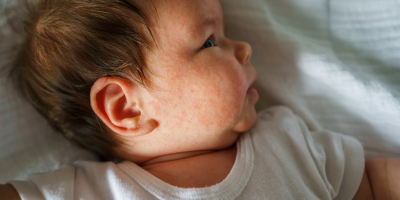
Children and babies with eczema face particular challenges: their skin is thinner and more permeable, they move more, and they are less able to communicate discomfort. Scratching during sleep is one of the most common causes of skin damage and secondary infection in young eczema sufferers — which is exactly why we originally created our Cotton Mitten PJs over 40 years ago.
For babies and children with eczema or sensitive skin, look for:
-
100% organic cotton in all items worn next to skin, including vests, babygrows, pyjamas, and tops
-
Flat seams or seam-free construction to avoid friction points
-
No labels against the skin, or labels that can be removed completely
-
Pyjamas with integrated mittens to reduce scratching during sleep
-
Washability at 60°C to kill dust mites — especially important in bedrooms
Our children's range is designed with all of these principles in mind. If your child is waking up scratching or showing signs of broken skin, changing their nightwear fabric is one of the most immediate practical steps you can take.
Frequently Asked Questions
Is cotton good for eczema? Yes — particularly organic cotton. It is soft, breathable, and can be washed at 60°C to remove dust mites and allergens. It is our top recommended fabric for eczema sufferers of all ages.
Is bamboo good for eczema? Bamboo has good moisture-wicking properties and feels soft against the skin, making it a reasonable choice. However, it cannot be washed at high temperatures, which limits its ability to remove dust mites and embedded creams — a disadvantage compared to organic cotton.
Is wool bad for eczema? For most eczema sufferers, yes. Even soft wool can feel scratchy against inflamed skin, and its heat-retaining properties can cause overheating and sweating, both of which trigger flare-ups.
Is polyester bad for eczema? Yes. Polyester traps heat and moisture against the skin, creating conditions that worsen eczema. It is also commonly treated with chemical finishes that can irritate sensitive skin.
Is silk good for eczema? Silk is a gentle, naturally produced fabric that many eczema sufferers find soothing. It is breathable and soft, though it is expensive and must be washed at low temperatures.
Is acrylic good for eczema? No. Acrylic combines the roughness of synthetic fibres with poor breathability, making it one of the worst fabric choices for sensitive or eczema-prone skin.
Is organic cotton hypoallergenic? Organic cotton is considered hypoallergenic because it is grown and processed without the synthetic chemicals and harsh dyes that commonly trigger skin reactions. It is the most widely recommended fabric for people with eczema, dermatitis, and other skin sensitivities.
Can cotton cause eczema? Conventional cotton is unlikely to cause eczema directly, but it may be treated with pesticides, dyes, or finishing chemicals that can aggravate sensitive skin. Organic cotton, grown and processed without these chemicals, is a much safer choice.
Feel Comfortable in Your Own Skin with Eczema Clothing
Living with eczema or sensitive skin can be challenging, but choosing the right fabrics is one of the most immediate and practical steps you can take. Natural fibres give your skin room to breathe, help you stay cool and calm, and reduce the friction and chemical exposure that causes flare-ups.
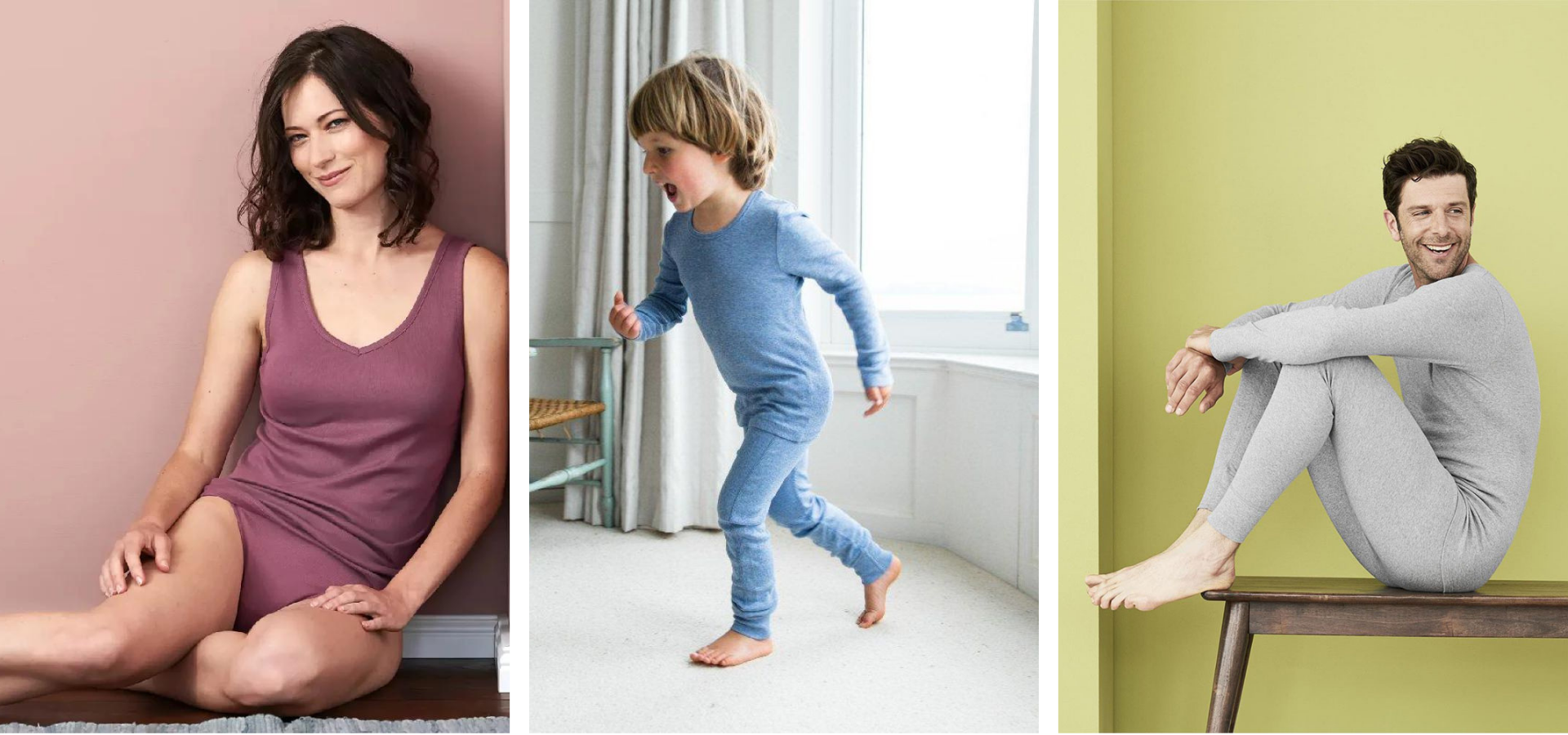
At Eczema Clothing, we understand how important that comfort is. That is why we have spent decades working with organic cotton to create and curate clothing that genuinely works for sensitive skin. Whether you are looking for nightwear to help you or your child sleep soundly, or everyday essentials that will not aggravate your skin, our collections are designed with care.
If you are ready to try clothing that puts your skin first, explore our range of organic cotton clothing for adults and eczema clothing for children — because feeling good in what you wear should never be complicated.