

1. Wear Protective, Eczema-Friendly Clothing
Gardening gloves are essential — but standard gloves can rub, trap heat or contain latex, which may irritate sensitive skin.
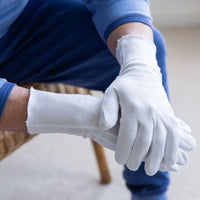
For extra protection, wear eczema-friendly organic cotton gloves underneath your gardening gloves.
Our 100% Organic Cotton Eczema Gloves create a soft, breathable barrier between your skin and:
-
Soil and plant irritants
-
Rough gardening tools
-
Latex or synthetic glove materials
-
Sweat build-up inside thicker gloves
They’re especially helpful if you experience hand eczema, cracked skin, or contact allergies.
For additional protection from scratches and thorns, our 100% Cotton Arm Sleeves provide a breathable layer under clothing — ideal for preventing friction and irritation while pruning or weeding.
👉 Explore our eczema-friendly gardening gloves and cotton arm sleeves.
2. Garden at the Right Time of Day
If pollen triggers your allergies or eczema flare-ups, timing matters.
-
Pollen levels are usually highest in the early morning and evening
-
Midday or just after rainfall is often safer
-
Check your local pollen forecast before heading outside
Planning ahead can significantly reduce skin irritation and respiratory symptoms.
3. Choose Low-Allergen Plants
Some plants release more airborne pollen than others. If you're sensitive, consider adding more low-pollen plants to your garden such as:
-
Ferns
-
Hibiscus
-
Roses
-
Hostas
Try to avoid highly allergenic plants like birch trees, daisies and sunflowers if pollen is a known trigger for you.
4. Rinse Away Pollen & Irritants Immediately
Pollen sticks to clothing, hair and skin — and can continue irritating long after you’ve come inside.
After gardening:
-
Change clothes straight away
-
Shower or rinse exposed skin
-
Wash hands thoroughly
-
Avoid sitting on soft furnishings in gardening clothes
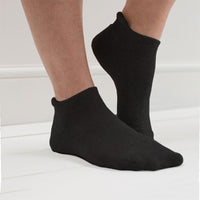
If you wear specialist clothing for eczema, washing at 60°C (where fabric allows) helps remove allergens, bacteria and embedded irritants effectively.
5. Be Careful with Compost & Damp Soil
Wet leaves, compost and soil can harbour mould spores, another common allergy trigger.
To reduce exposure:
-
Turn compost gently
-
Avoid handling damp soil on windy days
-
Consider wearing a mask when working with compost
-
Store compost away from doors and windows
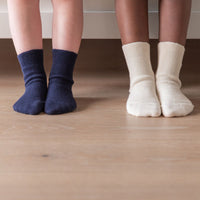
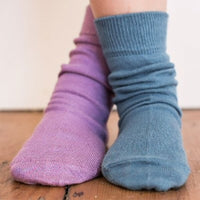
If you’re prone to flare-ups, covering arms and legs with breathable cotton layers can help protect sensitive skin.
6. Stay Sun-Safe Without Overheating
Heat and sweat can aggravate eczema and sensitive skin.
To stay comfortable:
-
Choose light layers rather than synthetic sports fabrics
-
Wear a wide-brimmed hat
-
Apply fragrance-free SPF
-
Keep a soothing balm nearby for dry patches
Natural fibres allow your skin to breathe and reduce the risk of overheating — which can trigger itching.
7. Prevent Allergens Coming Indoors
After gardening, allergens can easily spread inside your home.
To reduce indoor irritation:
-
Shake clothes outside
-
Wash gardening clothes separately
-
Vacuum regularly with a HEPA filter
-
Wash bedding frequently during high pollen season
Small steps can make a big difference to overnight comfort and sleep quality.
Enjoy Gardening — Without the Itch
Living with eczema or allergies doesn’t mean giving up gardening. With thoughtful plant choices, good timing, and the right protective clothing, you can protect your skin and still enjoy everything spring has to offer.
If you’re looking for eczema-friendly gloves, breathable organic cotton layers, or protective arm sleeves, explore our range designed specifically for sensitive skin.
👉 Browse our Allergy-Friendly Accessories
Tried. Tested. Trusted since 1980.