

Can vitamin D deficiency worsen eczema in winter? If you're managing atopic dermatitis in the UK, you may have noticed your skin struggles more during darker months. By mid-January, Christmas feels like a long time ago and we're vaguely hoping that spring won't take too long to arrive. It's also the point in winter when vitamin D levels can run very low, not through any neglect, but simply because the sun isn't strong enough to allow our skin to make it.
If you live with eczema, you may already have wondered whether that matters.
The short answer: possibly. Vitamin D isn't a cure for eczema, but there is growing interest in its role in skin health, inflammation and immune regulation - all of which are relevant when your skin is under strain.
Why Vitamin D Levels Drop During UK Winter
In the UK, sunlight between roughly October and March is too weak for the skin to produce meaningful vitamin D. Even on bright winter days, the sun sits too low in the sky.
That's why UK public health guidance recommends that most people consider a daily vitamin D supplement during autumn and winter, whether they have eczema or not. It's not about medical conditions, it's simply geography and the seasons.
What Vitamin D Actually Does for Skin Health
Vitamin D plays several roles in the body, including supporting the immune system, helping regulate inflammation, and contributing to healthy skin barrier function.
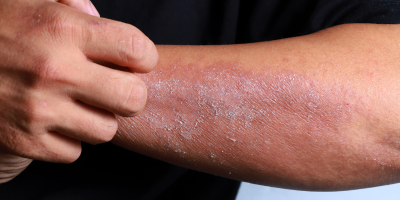
For eczema sufferers, those functions are particularly relevant. Eczema (atopic dermatitis) involves a weakened barrier and an immune response that is more reactive than it needs to be. This is why researchers have taken an interest in whether vitamin D levels influence eczema severity and flare-ups.
Does Vitamin D Supplementation Help Eczema? What Research Shows
The evidence so far suggests a careful, nuanced answer.
Studies show that people with eczema are more likely to have low vitamin D levels, particularly in winter. Some research suggests that supplementation may help reduce eczema severity for some people, especially during darker months. Other studies show smaller or mixed effects.
Organisations such as the National Eczema Society (UK) and the National Eczema Association (USA) are clear on this point: vitamin D may be helpful, but it is not a replacement for standard eczema care.
It's best thought of as part of the background support system, not the main act.
Complete Winter Eczema Care: Beyond Vitamin D
Whether or not vitamin D plays a role for you personally, winter is a demanding season for eczema and can trigger more frequent flare-ups.
Cold air dries the skin. Central heating strips moisture from the air. Heavier clothing increases friction and overheating. All of this puts extra pressure on an already fragile skin barrier.
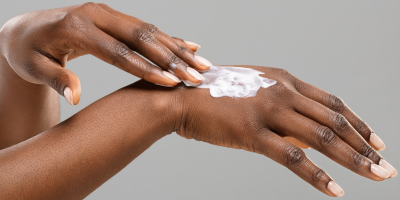
Keep bathing short and warm rather than hot. Moisturise consistently, especially after washing. Stick to fragrance-free products. Try not to overhaul everything at once.
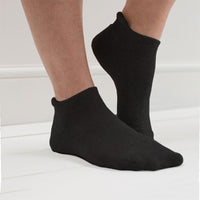
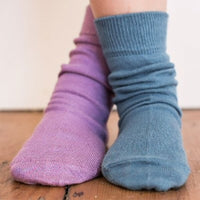
And pay attention to what sits on your skin all day. Clothing is constant. Breathable layers help regulate temperature. Soft, smooth fabrics reduce friction. Natural fibres allow skin to recover rather than struggle.
Creams support the skin barrier, but what you wear supports the cream.

Vitamin D Supplements: NHS Recommendations for Eczema
In the UK, NHS guidance suggests:
10 micrograms (400 IU) per day for most adults and children over one year old during autumn and winter.
Some people may be advised to take higher doses by a healthcare professional, but that's individual, particularly if you have other health conditions or are already supplementing.
Vitamin D3 (cholecalciferol) is the most commonly recommended form. Supplements are widely available and inexpensive at standard doses. If you're unsure what's appropriate for you, a pharmacist or GP can advise.
Frequently Asked Questions About Vitamin D and Eczema
How much vitamin D should I take for eczema?
The NHS recommends 10 micrograms (400 IU) daily for most adults during autumn and winter months in the UK. This is general guidance for vitamin D deficiency prevention rather than a specific eczema treatment dose. Always consult your GP before taking higher doses.
Can low vitamin D cause eczema flare-ups?
Low vitamin D doesn't directly cause eczema, but deficiency may contribute to increased severity and more frequent flare-ups. Winter vitamin D deficiency can affect immune function and skin barrier health, both of which play important roles in managing atopic dermatitis.
When should I take vitamin D supplements in the UK?
In the UK, vitamin D supplements are recommended from October to March when sunlight is too weak for adequate skin synthesis. This seasonal timing coincides with when many people experience worse eczema symptoms.
What type of vitamin D is best for eczema?
Vitamin D3 (cholecalciferol) is generally considered the most effective form and is recommended by the NHS. It's the same type your skin produces naturally from sunlight.
A Grounded Way to Think About Winter Eczema Management
Vitamin D won't "fix" eczema. But winter deficiency may make an already sensitive system work harder than it needs to. You can support your body in many ways: using supplements where appropriate, keeping up a steady skincare routine, and wearing comfortable clothing.
Sometimes the most helpful approach is simply removing a few obstacles and letting the skin do what it's designed to do.
Managing eczema in winter requires a multi-layered approach. While vitamin D supplementation may help support skin health during darker months, combine it with consistent moisturizing, gentle skincare, and breathable clothing for best results.
Sources & Further Reading
National Eczema Society (UK): Diet and Eczema https://eczema.org/information-and-advice/living-with-eczema/diet-and-eczema/
National Eczema Association (US): Get the Facts: Vitamin D https://nationaleczema.org/blog/get-the-facts-vitamin-d/
NHS / Boots Health Hub: Vitamin D and Winter https://www.boots.com/healthhub/vitamins-supplements/vitamin-d-winter
Linus Pauling Institute, Oregon State University: Vitamin D and Skin Health https://lpi.oregonstate.edu/mic/health-disease/skin-health/vitamin-D
Wang SS et al. Vitamin D and Atopic Dermatitis: A Systematic Review https://pmc.ncbi.nlm.nih.gov/articles/PMC4642156/