

What Is Eyelid Eczema?
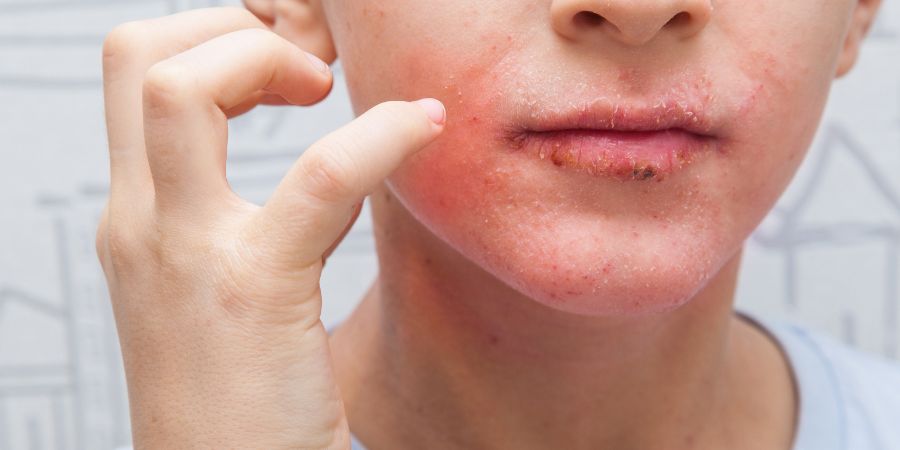
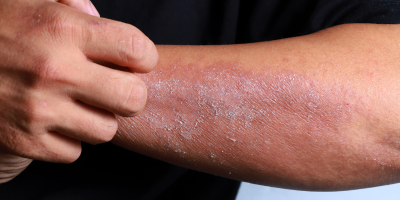
Eyelid eczema (sometimes called eyelid dermatitis) is a type of inflammation that affects the thin, sensitive skin around the eyes. It can appear as redness, dryness, flaking, or itchiness on the eyelids themselves or the skin just beneath the eyes.
It may be triggered by contact with irritants or allergens, or it can flare as part of a broader eczema pattern affecting other parts of the face or body. Either way, the eye area tends to react quickly and visibly.
Why the Skin Around the Eyes Is So Sensitive
The skin around the eyes is thinner and more permeable than anywhere else on the body, which means it responds quickly to whatever touches it. Fragrance in skincare, eye makeup, shampoo that runs down the face, pollen, air pollution, rubbing the eyes, even the fibres of a winter scarf. All of these can quietly contribute to irritation.
Sometimes it's one clear trigger; more often it's a gentle build-up of small things over several days. Because the area is so reactive, eczema around the eyes can feel more intense than flares elsewhere, even when the inflammation itself is mild. It's also harder to ignore as it is visible.
Common Triggers for Eczema Around the Eyes
Understanding what might be irritating your eyelids can help you adjust your routine and reduce flare-ups. Common culprits include:
-
Cosmetics and skincare: Mascara, eyeliner, eye creams, makeup removers, facial moisturisers with fragrance or preservatives
-
Hair products: Shampoo, conditioner, hairspray or styling products that transfer to the face
-
Airborne allergens: Pollen, dust mites, pet dander
-
Contact allergens: Nickel (in eyeglass frames), nail varnish transferred by touching the eyes
-
Environmental factors: Cold wind, dry indoor heating, air conditioning
-
Friction and touch: Rubbing tired eyes, rough towels, woollen scarves, hats
If the pattern repeats and you can't spot a cause, your GP may suggest patch testing to identify specific allergens. For many people, this simply offers clarity and helps refine routines so that flares become less frequent.
How to Care for Eyelid Eczema Gently
When caring for eyelid eczema, simpler routines often work best. The goal is to soothe the skin without adding further irritation.
Cleansing
Use a fragrance-free, gentle cleanser designed for sensitive skin. Avoid rubbing the eyes when you dry them — a soft pat with a clean towel is enough.
Moisturising
Moisturising around the eyes has to be light-handed. A very small amount of the right cream, applied carefully, can help soothe sore eyelids and support the skin barrier. Look for products that are fragrance-free and formulated for sensitive or eczema-prone skin.
If you've been prescribed a specific treatment by your GP or dermatologist, follow their instructions closely. The eyelids respond well to the right approach, but they can also react strongly to products that aren't suitable.
Give the Skin Space
Try to give the area some breathing space, especially from things that can cling or build up: long-lasting makeup, heavy eye creams, or strong cleansers. On days when everything feels reactive, stepping back from products entirely can give the skin a welcome rest.
Make-Up, Mascara and Eye Products
Many people with eyelid eczema still want to use makeup, and that's entirely understandable. The key is choosing products that don't add to the irritation.
-
Look for fragrance-free formulas
-
Be cautious with waterproof products, which often need more vigorous removal
-
Mascara and eyeliners can be common irritants. A quick patch test on your forearm before trying a new product is a small step that can save a lot of discomfort
-
Replace eye makeup regularly to avoid bacterial build-up
-
Remove makeup thoroughly but gently each evening
If your eyelids are mid-flare, taking a short break from eye makeup can make a noticeable difference.
Glasses, Contact Lenses and Eye Care
If you wear glasses, check whether the bridge or frame touches the eyelid area. A small point of pressure or friction can worsen irritation, especially if frames contain nickel or other metals. Keeping your glasses clean — especially near the hinges and nose pads — helps avoid residue transferring to the skin.
For contact lens wearers, lens solutions and eye drops can sometimes cause sensitivity. If your eyelids are flaring, switching temporarily to glasses often helps reduce friction and gives the skin a break from handling and lens insertion.
It's also worth washing your hands with a gentle, fragrance-free cleanser before putting lenses in, as residual soaps or perfumes can easily migrate to the eyelids.
Eyelash Tinting, Brows and Cosmetic Treatments
Eyelash tinting, eyebrow shaping, and similar treatments aren't off-limits for everyone with eczema, but they can be irritants if your skin is in a reactive phase. Tinting solutions, waxes and threading can all introduce potential triggers.
If you enjoy these treatments:
-
Go when your skin is calm, not mid-flare
-
Ask for patch testing — a good salon will be happy to do this
-
Avoid fragranced aftercare products
-
Let your therapist know you have sensitive skin so they can adapt their technique
Small precautions often make the experience much more comfortable.
Fabrics, Bedding and Everyday Friction
It's easy to overlook how much fabric comes near the eyes: winter scarves, jumpers with high necks, hats with soft brims. Rougher fibres like wool can irritate without you necessarily noticing the moment it happens.
Choosing smooth, breathable materials around the face — like cotton, bamboo, or silk-blend scarves — helps reduce that micro-friction. Many people find that reducing friction, from skincare, hands, or even fabrics near the face, can make a noticeable difference to how settled the skin feels.
At night, a clean, gentle pillowcase matters too. Residues from laundry detergent or fabric softener can transfer to the face, so using a fragrance-free detergent and an extra rinse cycle can help keep mornings more comfortable.
When to Seek Medical Advice
While most cases of eyelid eczema can be managed with gentle care and thoughtful product choices, it's important to speak to your GP or dermatologist if:
-
The irritation doesn't improve after a few weeks
-
Your eyelids are very swollen, weeping, or crusted
-
You're experiencing pain or changes to your vision
-
You suspect an infection (increased redness, warmth, or discharge)
-
Flare-ups are frequent and affecting your daily life
Your GP may recommend a mild topical treatment or refer you for patch testing to identify allergens. Getting the right support early can help prevent recurring flares.
Final Thoughts: Keeping the Eye Area Calm
Eyelid eczema responds best to calm routines: fewer products, lighter touches, soft fabrics and a little patience. Treat the area as you would treat something precious and delicate.
And remember: what touches your skin is just as important as what you put on it. Smooth scarves, breathable clothing and mild skincare can work together to keep this sensitive area more comfortable, day by day.