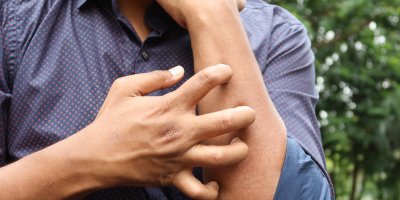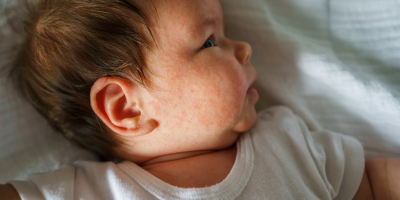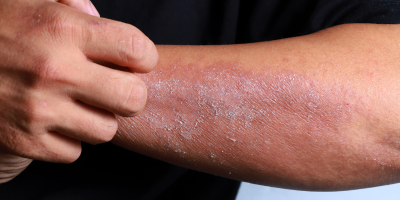


If you wake up scratching, if seams or labels make your skin crawl, or if your child’s pyjamas leave them restless and bleeding, you are far from alone. The exhaustion that comes from broken sleep and constant itching can be overwhelming.
Eczema is complex and unique to each person. Clothing doesn’t “cause” eczema, yet what touches your skin all day and night can make a huge difference. Friction, sweating, overheating and irritating fabrics can all keep the itch-scratch cycle going.
At Eczema Clothing, we’re guided by lived experience and 40 years of garment design expertise. We believe clothing should be part of the solution, not part of the problem.
What Is the Itch-Scratch Cycle?
The itch-scratch cycle happens when itching leads to scratching, damaging the skin barrier. That damage triggers inflammation, which increases itching — creating a self-perpetuating loop. Heat, sweat, rough fabrics and friction can make this cycle worse, particularly at night when distractions are fewer.
Itch → Scratch → Skin damage → Inflammation → More itch

When skin becomes warm, nerves are more easily stimulated, and scratching provides momentary relief that quickly backfires. Every movement, seam or fold of fabric can intensify irritation.
How Clothing Can Make Eczema Worse

Friction Against Sensitive Skin
Even gentle rubbing can irritate compromised skin. Waistbands, cuffs or seams may cause micro-abrasions, especially where the skin barrier is thin or recently healed. Over time, repetitive movement and friction can lead to further inflammation.
Heat Retention and Overheating
Clothing that traps body heat or restricts airflow raises skin temperature and sweating. Night-time overheating can lead to scratching in your sleep — something many people with eczema know all too well.
Sweat and Moisture Build-Up
Sweat is a common itching trigger. When trapped beneath tight or synthetic clothing, it can create a perfect storm: irritation, dampness and discomfort in folds, joints and under elastic.
Rough Fabrics and Texture Sensitivity
For those with eczema (especially children or adults with sensory sensitivities) even mild texture can feel unbearable. Stiff, scratchy or coarse fabrics can ignite irritation and increase scratching instincts.
Seams, Labels and Elastic
Seams and labels might seem like minor details, yet for eczema-prone skin they can be major triggers. Raised stitching, internal tags and tight elastic at wrists or waists can quickly turn a comfortable outfit into a source of constant irritation. Latex within elastic can also provoke allergic reactions in some individuals.
Can Clothing Trigger Eczema Flare-Ups?
Certain clothing can irritate eczema-prone skin by increasing friction, trapping heat, or rubbing against sensitive areas. Seams, synthetic fabrics, tight elastic and rough textures may contribute to itching and discomfort- especially during sleep or warm weather.
Fabrics That Often Irritate Sensitive Skin
Polyester
Traps heat and retains sweat. Its low breathability makes it problematic for eczema-prone skin.
Nylon
Smooth but synthetic, nylon can generate friction and restrict moisture escape.
Wool
Natural but often scratchy, wool fibres are coarse and can trigger irritation even through linings.
Heavy Synthetic Blends
High in polyester or acrylic content, these blends tend to trap heat and moisture.
| Fabric | Common Skin Issue | Breathability | Eczema Suitability | Washable at 60 |
| Polyester | Heat & Sweat Retention | Low | Often Irritating | Not Recommended |
| Nylon | Friction & Overheating | Low | May Irritate | Not Recommended |
| Wool | Scratchiness & Flare-ups | Medium | Mostly Unsuitable | Not Recommended |
| Bamboo | Soft | Medium | May be Suitable | Not Regularly |
| Organic Cotton | Soft & Breathable | High | Preferred | Yes |
Read more on fabric choice for eczema here
Why Night-Time Is Often Worse
Itching and discomfort often intensify at night. Body temperature naturally rises, sweat collects under bedding and clothes, and movements cause fabric to rub against skin. Without daytime distractions, the urge to scratch becomes stronger.
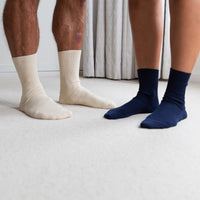
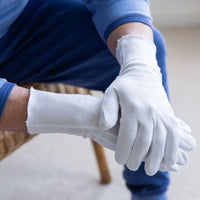
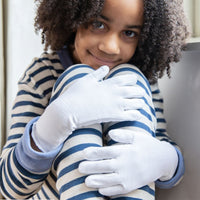
Many parents describe sleepless cycles of children waking itchy and sore. Adults too experience blood on sheets, exhaustion and frustration. Breathable eczema sleepwear with soft seams, covered mittens or enclosed feet can reduce night-time friction and help restore rest.
Clothing may not cure eczema, but the right kind can support calmer nights and better recovery.
What to Look for in Eczema-Friendly Clothing
Features that may help reduce irritation:
-
Soft, breathable fabrics
-
100% organic cotton
-
Flat or minimal seams
-
Tag-free or external labels
-
Covered elastic or gentle cuffs
-
Non-restrictive fit
-
Washable at 60°C
-
Scratch-mitigation features (e.g., enclosed mittens)
-
Breathable nightwear designs
What is eczema-friendly clothing?
Garments specifically designed to minimise friction, overheating and irritation for sensitive skin.
What are flat seams?
Seams constructed to lie smoothly against the skin, reducing friction and pressure points.
Why does breathable fabric matter?
Airflow helps regulate temperature and reduce sweat build-up, two major itch triggers.
Why Organic Cotton Is Often Preferred
Organic cotton is naturally soft, breathable and durable. It contains fewer processing chemicals than many synthetics, can be washed at higher temperatures to effectively remove creams and allergens, and helps regulate body temperature overnight.
While every individual’s skin responds differently, many people with eczema find organic cotton clothing the most comfortable choice for daily wear — particularly next to the skin.
Eczema Clothing’s organic cotton garments are tried, tested and trusted by thousands of families to help them itch less and sleep better.
Real-Life Signs Your Clothing Might Be Irritating Your Skin
-
You itch more when hot or sweaty
-
Waistbands or cuffs leave marks
-
Seams feel unbearable
-
Your child scratches more overnight
-
You avoid certain fabrics instinctively
-
Your skin feels calmer in loose cotton clothing
-
Labels feel painful or rough
-
You wake with broken skin or blood on bedding
If you recognise these experiences, small clothing changes like switching to softer fabrics or flat seams— can bring big relief.
FAQs
Can clothing make eczema worse?
Yes. Fabrics that trap heat, cause friction or prevent moisture escape can worsen itching and irritation.
Why do seams irritate eczema?
Seams can rub against fragile skin, particularly on joints or during sleep. Flat or external seams reduce this pressure.
Is polyester bad for eczema?
Polyester often traps heat and sweat, which may trigger itching for many people with eczema.
Does overheating trigger eczema?
Yes. Heat dilates blood vessels and activates itch-sensitive nerve fibres, intensifying irritation.
Why is eczema itchier at night?
Higher body temperature, reduced distractions, and contact friction from bedding all contribute to night-time itching.
What fabric is best for eczema?
Most people with eczema prefer soft, breathable natural fabrics such as 100% organic cotton.
Can pyjamas affect eczema?
Tight or synthetic pyjamas can lead to sweating and friction. Breathable, organic cotton sleepwear is usually more comfortable.
Why do labels feel painful on sensitive skin?
Labels can create friction and focused pressure points, causing significant discomfort. Tag-free designs are gentler.
Is organic cotton better for eczema?
Many find organic cotton gentler on sensitive skin thanks to its softness and natural breathability.
Can sweat trigger eczema flare-ups?
Excess sweat can irritate skin, altering pH balance and promoting scratching, especially under clothing.
Clothing Should Be Part of the Solution
Managing eczema means thinking about what touches your skin every hour of every day. Thoughtful garment design- from breathable organic fabrics to soft seams and covered elastics - can help you feel more comfortable in your skin.
Choosing tried, tested and trusted eczema clothing may not cure eczema, but it can play a meaningful role in reducing irritation, supporting calmer skin, and helping you or your child sleep better.
Created by people who live with eczema. Recommended by families who know what difference the right clothing can make.