

When you think about plastic pollution, you probably picture bottles, food packaging and carrier bags. But one of the biggest sources of plastic in our everyday lives is much closer than that, it's the clothes we wear every day.
Take a look at the label inside your favourite T-shirt, leggings or fleece and there's a good chance you'll find polyester, nylon, acrylic or elastane. These synthetic fibres are all derived from plastic and have become a huge part of the clothing industry.
Plastic Free July is a great opportunity to think beyond the obvious. It's not about being perfect or throwing everything away overnight. It's about understanding the choices we make and deciding whether there are small changes that could be better for both our skin and the environment.
Why are synthetic fabrics everywhere?
Synthetic fibres became popular for good reason. They're durable, lightweight, stretchy, quick to dry and relatively inexpensive to produce. For many garments, they perform exactly as intended.
But as conversations around sustainability and personal wellbeing continue to grow, more people are starting to ask what these fabrics mean for both the planet and the skin they sit against every day.
The growing conversation around microplastics
Every time synthetic clothing is washed, tiny fibres known as microplastics can be released into waterways. Researchers have now identified microplastics in rivers, oceans and wildlife, and more recently in human blood, lungs, breast milk, semen and brain tissue.
Scientists are still working to understand exactly what this means for our long-term health but growing concern about microplastics is encouraging many people to reduce unnecessary exposure wherever they can.
Plastic Free July isn't about guilt. It's about making informed choices and recognising that lots of small changes can add up over time.
What does this mean for eczema and sensitive skin?
For people living with eczema or sensitive skin, the conversation goes one step further.
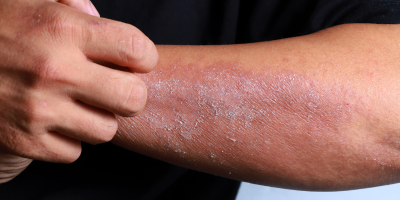
Polyester doesn't cause eczema. However, many people find synthetic fabrics trap heat, hold onto sweat and create more friction than natural fibres. When your skin barrier is already compromised, those factors can make an existing flare-up feel even more uncomfortable.
Synthetic garments are also generally washed at lower temperatures, meaning moisturisers, allergens and everyday residue may not wash away as effectively as they do from cotton. Everyone's skin is different, but it's one reason organisations such as the National Eczema Society recommend paying attention to clothing as part of an overall skincare routine.
Why organic cotton is becoming the fabric of choice
Choosing organic cotton isn't just about comfort and it isn’t just becoming the fabric of choice for people with eczema. It's about choosing a natural fibre that contains no plastic, is biodegradable at the end of its life and is produced with environmental standards that many people increasingly value.
In one of our customer surveys, 77% of respondents said that organic cotton was one of the key reasons they chose our clothing.
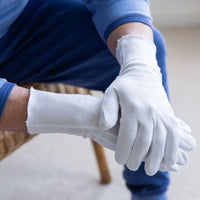
Our Cotton Comfort collection uses organic cotton alongside thoughtful design features such as flat seams, label-free necklines and breathable fabrics. The aim isn't simply to make sustainable clothing, it's to make clothing that's genuinely comfortable to wear and positively improves the lives of those with eczema or other skin conditions.
We believe clothing should be part of the solution, not part of the problem.
And choosing organic cotton is only part of the story. We've also switched to paper packaging and work with manufacturing partners who share our commitment to reducing environmental impact. They're small decisions individually, but together they help us care for both people and the planet.
Start with small swaps
You don't need to replace your wardrobe all at once.
Instead, think about the garments that spend the most time against your skin.
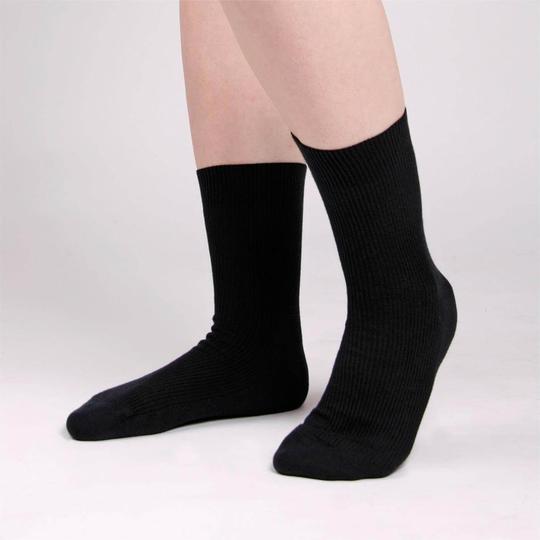
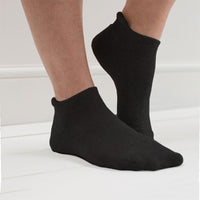
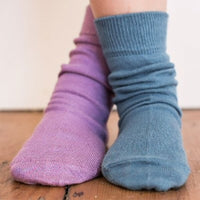
Swapping to organic cotton underwear, socks or everyday tops from our men's clothing collection or women's clothing collection is a simple place to begin.
Many people also find that changing to super soft natural breathable nightwear helps create a more comfortable bedtime routine.
Looking for more eczema advice?
If you'd like more practical tips on managing eczema and sensitive skin, explore our Itchy Skin Matters blog.
You'll find advice on clothing, skincare, common triggers and everyday routines designed to help make life with eczema that little bit easier.
Final thoughts
Plastic Free July is a reminder that sustainability isn't always about making huge lifestyle changes. Sometimes it starts with something as simple as choosing a different T-shirt or a pair of socks.
Natural fibres like organic cotton won't cure eczema, but many people find they're softer, more breathable and more comfortable against sensitive skin. If you're thinking about making a change, start small, see what works for your skin and build from there.
Plastic Free July isn't about perfection. It's about making thoughtful choices. If switching just a few of the clothes closest to your skin helps you feel more comfortable while reducing the amount of plastic in your wardrobe, that's a positive step—for you and for the planet.
Frequently Asked Questions
Is polyester bad for eczema?
Polyester doesn't cause eczema, but it can trap heat and moisture, which some people find uncomfortable during a flare-up.
Does polyester contain plastic?
Yes. Polyester is a synthetic fibre made from petroleum-based plastics.
Why is organic cotton better for sensitive skin?
Many people find organic cotton softer, more breathable and less irritating than synthetic fabrics.
Can clothing make eczema worse?
Heat, sweat, friction and rough fabrics can all contribute to irritation for some people.