

Temperature Changes and Indoor Heating
Frequent trips from the cold outdoors to warm, dry indoor environments, often intensified by central heating, can dry out the skin and lead to itching and irritation. Central heating, a staple in UK homes during winter, strips the air of humidity, making it harder for the skin to retain moisture.
Try keeping your heating at a steady, moderate level (around 18-19°C) and use a humidifier or place bowls of water near radiators to add moisture back into the air. Layering up with 100% cotton clothing lets you adjust easily to temperature changes, helping to prevent overheating and discomfort.
Party tip: Before heading to a festive gathering, check if the venue tends to be overheated. Christmas parties often take place in packed rooms with heating turned up high. Dress in layers you can remove, and don't be shy about stepping outside for fresh air breaks if you feel your skin becoming irritated or overheated.
Festive Knitwear, Synthetic Fabrics, and Seasonal Allergens
Christmas wardrobes often bring out cosy woolly jumpers, scarves, and other knitwear, but some of these can be a nightmare for sensitive skin. Wool and synthetic fabrics can irritate the skin - so it's best to opt for soft, organic cotton hats & scarves and under layers. Our base layers are perfect for this, soft, soothing and breathable. Creating a protective layer between your skin and those irritating wool and polyester fibres.
If you want to keep the festive feel without the irritation, choose hypoallergenic or softer alternatives such as 100% organic cotton vs traditional knitwear.
Plus, Christmas trees and other decorations can introduce allergens like dust, mould, or pollen into the home, which can trigger reactions in some people. Keep decorations clean by wiping them down and vacuuming often to reduce allergens and make your festive space skin-friendly.
Real vs Artificial Trees: What's Better for Allergies?
Real Christmas trees can harbor pollen, mold spores, and sap that trigger both skin and respiratory allergies. If you choose a real tree, shake it vigorously outside before bringing it indoors, and consider hosing it down and letting it dry completely.
Artificial trees accumulate dust during storage and may release PVC off-gassing when new. Before setting up your artificial tree, wipe down every branch with a damp cloth and let it air out for a few hours in a garage or well-ventilated space.
Both options require cleaning—the key is managing what works best for your specific triggers.
Navigating Party Season: Food Allergies and Hidden Triggers
Buffets, Festive Drinks, and Cross-Contamination
Holiday gatherings often center around food, but festive buffets can be minefields for those with allergies. Shared serving utensils move between dishes, creating cross-contamination risks. Nuts appear in desserts, dairy in creamy dishes, and eggs in baked goods. Often without labels at casual parties.
How to stay safe:
-
Contact hosts in advance to discuss your allergies and offer to bring a safe dish to share
-
Keep safe snacks in your bag so you're never caught hungry with no options
-
Always ask about ingredients and don't assume dishes are safe based on appearance alone
The Hidden Allergens in Holiday Drinks
Festive cocktails deserve special scrutiny:
-
Eggnog contains eggs and dairy
-
Mulled wine may contain sulfites that trigger reactions
-
Cream liqueurs (like Baileys) contain dairy
-
Amaretto and Frangelico contain nuts or nut flavourings
-
Cocktails might be garnished with nuts or rimmed with allergenic ingredients
Even wines can contain egg whites or milk proteins used in the refining process. When in doubt, stick with plain drinks you know are safe, or bring your own beverages.
What to Pack: Your Party Survival Kit
Never leave home without these essentials:
✅ Medical items: EpiPen (if you need it, with backup, check expiration), antihistamines, inhaler (if applicable), prescribed eczema creams
✅ Skincare: Travel-size hand wash, fragrance-free moisturizer, anti-itch balm. Find one here.
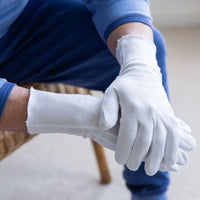
✅ Comfort items: Cotton gloves (to prevent unconscious scratching), safe snacks, water bottle, spare clothes to change into if your outfit might cause irritation after a while
✅ Emergency info: Allergy ID card or emergency details saved on your phone's lock screen
Christmas Gatherings, Festive Stress, and Indulgent Foods
The Christmas season can be wonderfully social but also demanding, with family gatherings, packed schedules, and indulgent Christmas treats. All these factors can contribute to eczema flare-ups. Create a "cool space" at home where you can unwind from the Christmas buzz and bring your own eczema-friendly essentials if staying with family or friends.
Items like hypoallergenic bedding and gentle skincare products can help protect your skin from irritating wool, manmade fibres, unfamiliar detergents or allergens. Remember, staying calm and managing stress are key to keeping eczema in check through the season's excitement.
The Stress-Eczema Connection
When you're anxious about social obligations or managing your condition in public, your body releases cortisol and stress hormones that trigger inflammatory responses in your skin. This can worsen existing eczema or cause new flare-ups.
Tips to manage festive stress:
-
Practice 5 minutes of deep breathing before events
-
Set realistic expectations—you don't need to attend every party
-
Plan ahead to avoid last-minute rushing
-
Remember that protecting your health is never rude or inconvenient
Communicating Your Needs Confidently
Be direct and factual when discussing allergies or skin sensitivities with hosts:
For allergies: "I have a severe shellfish allergy and need to avoid cross-contamination. Could you let me know which dishes are shellfish-free?"
For eczema triggers: "I have very sensitive skin that reacts to fragrances. Would it be possible to skip scented candles, or could I sit away from them?"
Avoid apologetic language like "I'm sorry to be difficult." Your medical needs are legitimate, not burdensome. Most hosts are happy to accommodate when you communicate clearly in advance.
Skincare, Moisturising, and Staying Hydrated
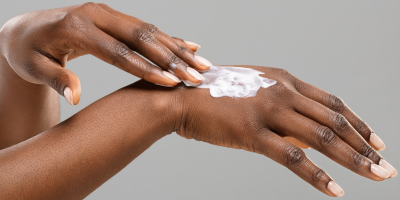
With colder air outside and dry indoor heat, winter skin needs extra moisture, especially on frequently exposed areas like your hands, face, and scalp. Choose gentle, fragrance-free skincare products, and moisturise regularly to keep skin soft and protected.
Pre-Party Skin Prep
Apply a thick, fragrance-free emollient at least 30 minutes before getting dressed. Look for products containing ceramides, which help repair the skin's natural protective barrier. Ingredients like colloidal oatmeal provide additional soothing benefits for already irritated skin.
If you're venturing out to enjoy Christmas markets or festive walks, layer with thin cotton garments to prevent direct contact with irritants. Our Organic Cotton Snoods and Gloves are perfect under your usual gloves or scarves to protect the skin.
Avoid long hot showers or baths before parties, which may feel lovely but can actually dry out the skin. Balancing Christmas tipples with water and non-alcoholic options will help keep you hydrated from within, supporting skin health.
Fragrance Triggers at Parties
Scented candles, air fresheners, and strong perfumes create that cozy holiday ambiance, but synthetic fragrances are among the top irritants for eczema-prone skin. These products release volatile organic compounds that can trigger both skin reactions and respiratory symptoms.
If you're hosting, consider using unscented candles or relying on string lights for ambiance instead. If attending a party with strong fragrances, position yourself near windows or less scented areas, and don't hesitate to step outside for fresh air breaks.
Shopping for Eczema-Friendly Essentials
Organic Cotton Snoods and Gloves
Perfect for layering under regular winter accessories to create a protective barrier between your skin and irritating fabrics during festive outings.
Base Layers
Soft, soothing, and breathable base layers prevent direct contact with wool and polyester fibers in festive knitwear, letting you enjoy the Christmas aesthetic without the irritation.
Your Holiday Action Plan
By planning ahead and opting for skin-friendly options, you can enjoy the festive season without worrying about eczema flare-ups or allergic reactions. Start with these key strategies:
- Control your home environment (heating, humidity, clean decorations)
- Choose cotton layers under festive knitwear
- Communicate allergies clearly to hosts before events
- Pack your party survival kit with medications and safe snacks
- Manage stress through realistic expectations and self-care
- Stay moisturized and hydrated throughout party season
-
Know your emergency protocol and educate trusted friends
Remember: protecting your health isn't rude or inconvenient, it's just necessary. The right people will always understand and support you.
Frequently Asked Questions
Can stress really trigger eczema during the holidays?
Yes, absolutely. Stress releases cortisol and other hormones that trigger inflammatory responses in your skin, worsening eczema or causing new flare-ups. The mind-skin connection is well-documented. Managing festive stress through mindfulness, adequate sleep, and realistic expectations can significantly help control symptoms.
What allergens are common in Christmas cocktails?
Holiday drinks often contain eggs (eggnog, whiskey sours), dairy (cream liqueurs), nuts or nut flavorings (amaretto, Frangelico), and sulfites in wine. Always ask bartenders for ingredient lists and stick to drinks you know are safe.
Should I choose a real or artificial Christmas tree for allergies?
Both have pros and cons. Real trees can harbor pollen, mold, and sap, while artificial trees collect dust during storage. The key is proper cleaning: shake and rinse real trees outside before bringing them in, or wipe down all branches of artificial trees and let them air out before display.
What should I do if I have an allergic reaction at a party?
Use your EpiPen immediately if you experience anaphylaxis symptoms (difficulty breathing, throat tightness, widespread hives). Call 999 and clearly state "anaphylactic reaction." Even if symptoms improve, emergency monitoring is essential as reactions can return in a second wave.
How do I protect my skin when staying with family over Christmas?
Bring your own hypoallergenic bedding, gentle skincare products, and cotton base layers. This protects your skin from unfamiliar detergents, wool blankets, or allergens in someone else's home. Create a "cool space" where you can retreat if you need to unwind from festive activities.
Additional Resources
For more in-depth advice and information to reduce eczema flare-ups and stress during the festive period, check out our other blogs on this topic:
Have questions or want to share your own party season survival tips? We'd love to hear from you!