

Summer should be something to look forward to.
Longer days, holidays, swimming, family time outdoors.
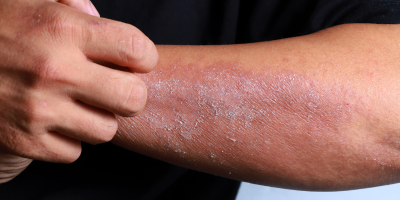
But if you live with eczema, summer can bring a completely different set of challenges.
Heat, sweat, pollen, chlorine, sunscreen and disrupted routines can all combine to make skin feel more itchy, irritated and difficult to manage.
The good news?
Summer flare-ups are rarely random.
Once you understand the most common triggers, there are practical steps you can take to reduce their impact and enjoy the season more comfortably.
In this article, we'll cover the biggest summer eczema triggers and share some simple tips. For our complete Summer Eczema Survival Guide, including holiday checklists, sleep tips, flare-up routines and practical advice for adults and children, download our free Eczema 101 Summer Edition.
[Download the Free Summer Eczema Guide →]
Why Does Eczema Often Get Worse In Summer?
Unlike winter eczema, which is often linked to cold weather and dry air, summer flare-ups are usually caused by a combination of:
-
Heat
-
Sweat
-
Pollen
-
Chlorine
-
Increased outdoor exposure
-
Changes to routine
Many people experience several of these triggers at the same time, making symptoms feel worse than usual.
1. Sweat Can Trigger Intense Itching
One of the biggest summer eczema triggers is sweat.
When sweat dries on the skin, it leaves behind salts and minerals that can irritate an already weakened skin barrier.
This often leads to:
-
Stinging
-
Itching
-
Increased inflammation
-
More scratching
Many people notice flare-ups around:
-
Elbows
-
Knees
-
Neck folds
-
Underarms
-
Waistbands
Summer tip: Rinse off sweat as soon as possible and change into clean, breathable clothing after exercise or outdoor activities.
2. Overheating Can Start The Itch-Scratch Cycle
Even before you begin sweating, overheating can make eczema feel more active.
As body temperature rises, itching often becomes more intense.
Unfortunately, scratching then damages the skin barrier further, leading to even more inflammation.
This is one reason why summer sleep can become particularly difficult.
Inside our Summer Eczema Guide you'll find practical cooling strategies, sleep tips and a summer bedtime routine that many families find helpful.
3. Grass Pollen Can Aggravate Eczema
Many people associate pollen with hay fever.
However, pollen can also settle directly onto eczema-prone skin and trigger irritation.
This is particularly common if you also experience:
-
Hay fever
-
Asthma
-
Seasonal allergies
If pollen is one of your triggers, showering after spending time outdoors and changing clothes promptly can help reduce exposure.
4. Swimming Can Be Helpful, But Also Drying
Swimming is a great way to stay cool during hot weather.
However, chlorine and salt water can both affect the skin barrier.
Some people notice:
-
Increased dryness
-
Tightness
-
Itching later in the day
Simple steps such as rinsing immediately after swimming and moisturising promptly can make a big difference.
5. Summer Isn't Just About Sun
Many people focus on outdoor triggers but forget about indoor ones.
Air conditioning, travel, hotel bedding and changes to skincare routines can all affect sensitive skin.
In fact, holidays often combine multiple triggers at once:
-
Heat
-
Sweat
-
Different detergents
-
Swimming pools
-
Long journeys
-
Disrupted routines
This is why planning ahead can make such a difference.
What Actually Helps During Summer?
While everyone's skin is different, a few simple habits consistently help many people manage summer eczema:
✓ Stay cool where possible
✓ Rinse off sweat promptly
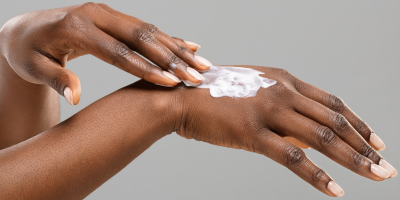
✓ Moisturise consistently
✓ Monitor pollen levels
✓ Choose breathable clothing
✓ Pack familiar skincare products when travelling
✓ Keep bedrooms cool at night
The key isn't trying to do everything perfectly.
It's making small, consistent adjustments that reduce the number of triggers your skin faces each day.
One Of The Most Overlooked Summer Triggers? Clothing.
Many people think specialist clothing only matters during winter.
In reality, summer can be when clothing matters most.
The wrong fabrics can trap heat, sweat and moisture against the skin.
The right fabrics can help regulate temperature, reduce irritation and provide a protective barrier between your skin and common summer triggers.
Our 100% organic cotton clothing is designed specifically for people living with eczema, psoriasis and sensitive skin.
Download Our Free Summer Eczema Survival Guide
This article only scratches the surface.
Our free Eczema 101 Summer Edition includes:
✓ What to do during a flare-up
✓ Summer survival checklist
✓ Holiday and travel tips
✓ Sleep advice for hot nights
✓ Moisturising guidance
✓ Managing pollen, sweat and heat
✓ Practical tips for adults, children and babies
✓ Why clothing matters for eczema
Created by people living with eczema, for people living with eczema.