

Common Triggers, Practical Solutions, and Clothing Choices That Make a Real Difference
Spring should feel like relief when it arrives. Think lighter mornings, warmer days, time outdoors again, what’s not to love?
But if you live with eczema, you may be greeted with less welcome visitors: flare-ups that feel almost as uncomfortable as winter.
Spring is one of the most reactive and unpredictable times of year for eczema-prone skin, and there are clear reasons why.
Below, we’ll walk through the most common spring triggers, what they’re doing to your skin, and the small, practical adjustments that can help you feel more comfortable day to day.
Why Does Eczema Flare Up in Spring?
Spring brings multiple environmental shifts all at once. Eczema-prone skin reacts to sudden change and it’s often the combination of triggers, rather than just one, that causes problems.
1. Pollen — Often the Biggest Trigger
Tree pollen peaks between March and May. Grass pollen follows from May through July.
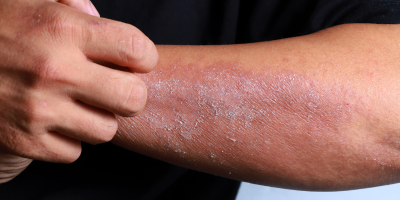
For many people with eczema, pollen isn’t just a hay fever issue. It can land directly on exposed skin, weaken the skin barrier and trigger inflammation.
If your eczema tends to flare on your:
-
Face
-
Neck
-
Hands
-
Forearms
particularly after time outdoors, pollen is likely contributing, especially if you also experience hay fever or asthma. These conditions often travel together because they share the same underlying inflammatory response.
Common question: Why is my eczema suddenly worse in spring?
Pollen exposure is usually the first place to look. Especially if flare-ups appear on exposed areas and coincide with outdoor activity.
2. Rising Temperatures and Sweat
As the weather warms, we sweat more without even realising it.
Sweat contains salts that can:
-
Sting broken skin
-
Trigger itching
-
Intensify the itch-scratch cycle
-
Worsen already inflamed patches
This is where clothing becomes particularly important. Synthetic fabrics and tight layers trap heat and moisture against the skin, making irritation worse.
Breathable, natural fibres allow the skin to regulate temperature more effectively, reducing overheating and helping you feel more comfortable.
Our organic cotton daywear is designed with exactly this in mind. Our soft, breathable layers support sensitive skin rather than aggravate it.
3. Sudden Weather Changes
Cold mornings. Warm afternoons. Windy days. Damp evenings.
Spring’s unpredictability can disrupt the skin barrier. Rapid temperature shifts increase moisture loss from the skin, leaving it feeling tight, dry and itchy even if the air doesn’t feel particularly harsh.
Layering is one of the simplest ways to manage this. Being able to add or remove a soft cotton layer throughout the day rather than relying on wool or synthetic fabrics, makes a noticeable difference for many people.
4. Sunscreen Reactions
More sunshine means more sunscreen- which is important, even for eczema-prone skin.
However, fragranced or chemical sunscreens can cause stinging or contact reactions. Mineral sunscreens containing zinc oxide or titanium dioxide are often better tolerated.
Apply your emollient first, allow it to absorb, then layer sunscreen on top. And always patch test if trying something new as spring skin can be extra reactive.
5. Indoor Allergens Stirred Up by Spring Cleaning
Opening windows, moving furniture, washing curtains and airing rooms can disturb:
-
Dust mites
-
Mould spores
-
Pet dander
Whilst opening windows and getting fresh air is really positive generally, this and spring cleaning can disturb allergens which worsen eczema through both direct contact and the broader inflammatory response they create.
So try not to open windows when the pollen count is high (early morning and early evening) and it’s worth paying particular attention to the environment you sleep in - where skin is in contact with bedding and nightwear for many hours at a time.
Smooth, breathable fabrics that don’t overheat or trap allergens can help reduce overnight scratching and improve sleep quality.
Our specialist nightwear for adults and children is made from certified organic cotton and thoughtfully designed to be gentle against reactive skin through the night.
Browse the collection of organic cotton, eczema friendly nightwear and children here >
Which Month Is Worst for Eczema?
This varies from person to person, depending on individual triggers. That said, patterns often look like this:
-
March to May: Tree pollen season and sudden weather changes
-
May to July: Grass pollen season — often the most difficult period for hay fever-linked eczema
-
June to August: Heat and sweat become primary triggers
Autumn and winter can be difficult for different reasons (cold, dry air and central heating), but spring is unique because it combines several triggers at once.
How to Manage Spring Eczema — Practical Steps That Help
Shower or Rinse After Being Outdoors
After time outside during high pollen days:
-
Rinse exposed skin
-
Wash pollen from your hair
-
Change clothes promptly
Avoid sitting on beds or sofas in outdoor clothing. This simple habit can significantly reduce ongoing exposure.
Rethink What Sits Against Your Skin
Clothing is one of the most underestimated triggers.
What touches your skin for 12 or more hours each day matters.
In spring, look for:
-
Loose-fitting cuts that reduce friction
-
No tight elastic or synthetic trims
-
Fabrics that tolerate higher-temperature washing without losing softness
If scratching at night is a challenge, scratch mitten tops offer a practical way to protect the skin during sleep - without restraint or discomfort.
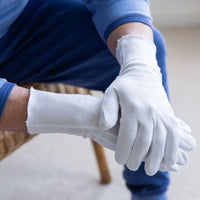
For daytime protection, our arm sleeves and eczema gloves provide a soft, breathable barrier when skin feels particularly reactive.
Keep Moisturising Consistent
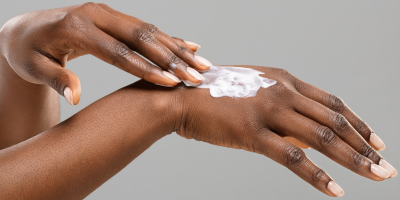
It’s tempting to ease off emollients as the weather warms, but your skin barrier still needs daily support.
If winter creams feel too heavy, switch to a lighter formula or use a cream rather than an ointment - but don’t stop entirely.
Apply before going outdoors to create a protective layer, and reapply after showering.
Choose a Mineral Sunscreen
Fragrance-free, mineral-based sunscreens are usually better tolerated by sensitive skin.
Patch test first and allow your moisturiser to absorb fully before applying SPF.
Reduce Indoor Allergens
-
Keep windows closed on high pollen days
-
Wash bedding regularly at 60°C
-
Avoid drying laundry outside during peak pollen season
-
Use a HEPA filter vacuum
Manage Hay Fever — It Helps Your Skin Too
Treating hay fever reduces overall inflammation in the body, this includes the skin.
Non-drowsy antihistamines, nasal sprays and eye drops are worth discussing with your GP or pharmacist.
Many people find that controlling hay fever significantly reduces spring eczema severity.
When to Speak to a GP
Spring flare-ups are common, but we advise you to seek medical advice if:
-
Skin becomes cracked, weepy or infected
-
You’re needing repeated steroid courses
-
Sleep is consistently disrupted
-
Your usual plan isn’t working
A GP or dermatologist can review treatment options and support you with a clearer plan.
Spring Doesn’t Have to = Flare-Ups
Living with eczema means paying attention to patterns. Spring flare-ups are rarely random and they mostly have identifiable causes.
By understanding your triggers, protecting your skin barrier, managing allergen exposure, and being thoughtful about what touches your skin each day, you can approach the season with more confidence.
If you’re looking for clothing genuinely designed for eczema-prone skin — not simply labelled “soft” — explore our full range of certified organic cotton clothing for adults and children, including specialist nightwear, scratch mitten tops, gloves and sleeves.
Tried. Tested. Trusted since 1980.