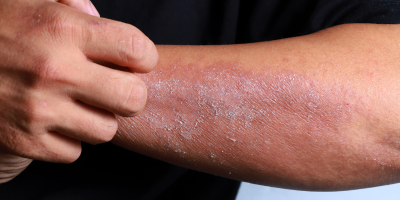


Up to 80% of people living with eczema struggle with night-time itching, so it’s a very common problem, even if not a very widely acknowledged one. In fact, 67% of children with eczema experience sleep disturbance, and 15% to 30% of adults with eczema rate sleep disturbance as the “most” or “second-most” burdensome symptom.
Getting a better night’s sleep is obviously crucial to the well-being of millions of people living with inflammatory skin conditions.
The first step in coping with anything difficult is to understand it, so getting a handle on why your skin gets so itchy when you’re trying to sleep is key to managing it.
Why Does Itchy Skin Feel Worse At Night?
The reason your skin is itchy at night could be down to a number of things:
1. Sleep cycles mean you go through waves of deeper sleep, lighter sleep, and periods of wakefulness in any given night; in the lighter or awake phases, you may become dimly aware of the itch sensation and start scratching without realising it.
2. Your body temperature naturally rises in the evening, which can trigger an itchy spell just before bed.
3. Your production of cytokines (which aggravate inflammation) increases at night.
4. Emollients need to be reapplied every few hours to help prevent dehydration and itchiness, but you can’t do this if you’re asleep.
5. You may be sensitive to a product you’re using before bed: your shampoo, bubble bath, or shower gel could be causing a reaction.
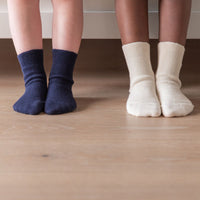
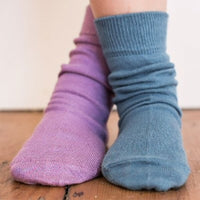
6. You could be reacting to synthetic fabric next to your skin, whether that’s your pyjamas or bed linen.
7. If you’ve had a drink before bed, you might be reacting to the alcohol or caffeine, both of which can increase histamine and cause a mini flare.
8. You can get dehydrated as your skin naturally loses more moisture during the night; the drier it is, the more chance your skin will flare up overnight.
With all these different possible triggers for a night time flare, it can be hard to work out what’s happening for you. But by instituting a gentle evening routine, you can stack the odds of getting a better sleep in your favour.
A Gentle Bedtime Routine To Beat The Itch
-
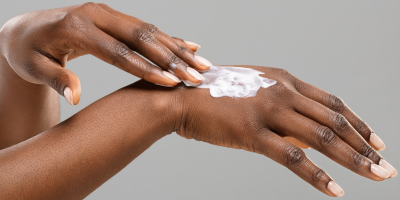
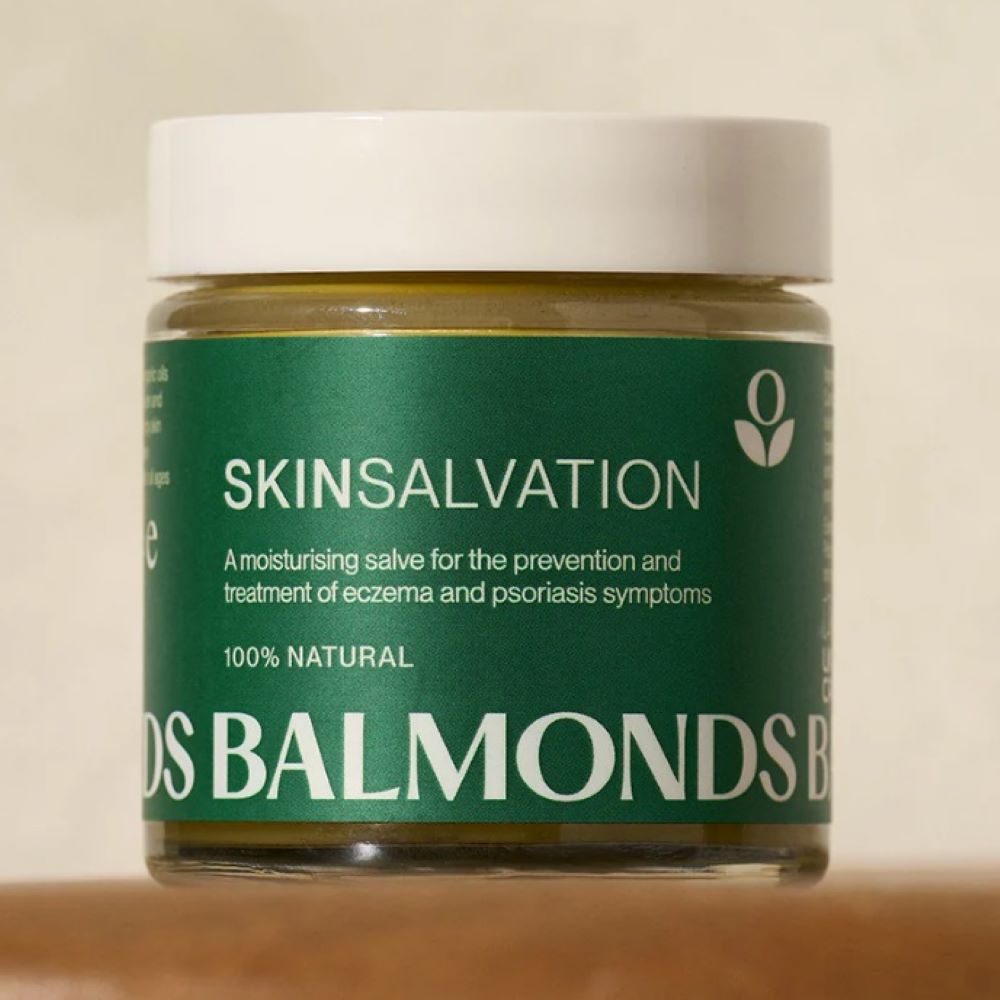
Always apply your emollients before bed! Oil-based emollient ointments like Balmonds Skin Salvation keep the skin hydrated for longer than water-based creams, and are less likely to sting on scratched skin.
-
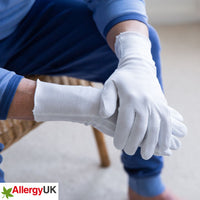
If you’re using the wet wrapping technique with bandages or sleepsuits, Skin Salvation is a great natural alternative to petroleum-based milliners under the wraps. It also works under gloves like these from Eczema Clothing.
-
When you bathe before going to bed, pat your skin mostly (but not completely) dry, then seal in the moisture with an emollient within three minutes of getting out of the bath or shower to lock the moisture in. Try Balmonds Hydrating Body Oil for really speedy application - its chamomile and lavender oils are beautifully calming, which makes it ideal as a post-bath baby massage oil.
-
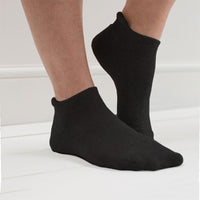
Those who suffer from dyshidrotic eczema know all too well the agony of itching palms at night. Wash your hands with an extra gentle, unscented, soap-free wash like Balmonds Body, Hand & Hair Wash, pat your hands gently dry, and then apply a balm or cream - Balmond’s Daily Moisturiser is ideal - under cotton gloves overnight. Covering the irritated skin with thin organic cotton can help protect from further irritants and boost the hydration of the cream.
-
Control your environment! Keep your bedroom cool to avoid overheating by opening windows or running a fan, and check the humidity. The drier the atmosphere, the drier and more fragile/itchy your skin will get, so it could be worth investing in a humidifier.
-
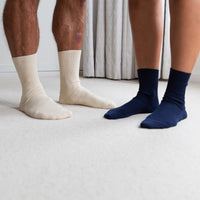
Sleep in eczema-friendly pjs or bedsheets! Try these extra soft, flat-seam cotton pyjamas from Eczema Clothing, which aim to minimise friction and overheating.
-
Be wary of external irritants in your room - particles such as dust, pet dander, pollen, and mould that can trigger flares overnight. Banish pets from the bedroom, and pollen-proof your room in high season, by getting changed out of outdoor clothes in the bathroom and keeping windows closed.
-
Learn some safe scratching techniques so that if you do scratch at night, you’re not breaking the skin and leaving it open to infection and further damage. Try keeping ice packs to hand, soft combs or brushes, or devices such as CosiCare Scratch Stars. Some people find acrylic nails are a great defence against tearing the skin during unconscious scratch attacks.