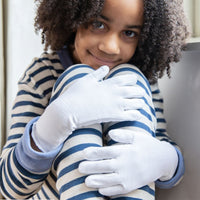


At Eczema Clothing, we have been pioneering the use of organic cotton for over 40 years, which is when we first designed our Cotton Mitten PJs to help children with itchy skin sleep better.

We stock clothing for adults and children, with organic cotton at the heart of our range.
Some fabrics can feel uncomfortable against eczema-prone skin. Coarse wool, rough textures, seams and labels may rub sensitive areas, while clothing that makes you too warm can add to itching. The feel, fit and construction of a garment matter alongside its fibre content.
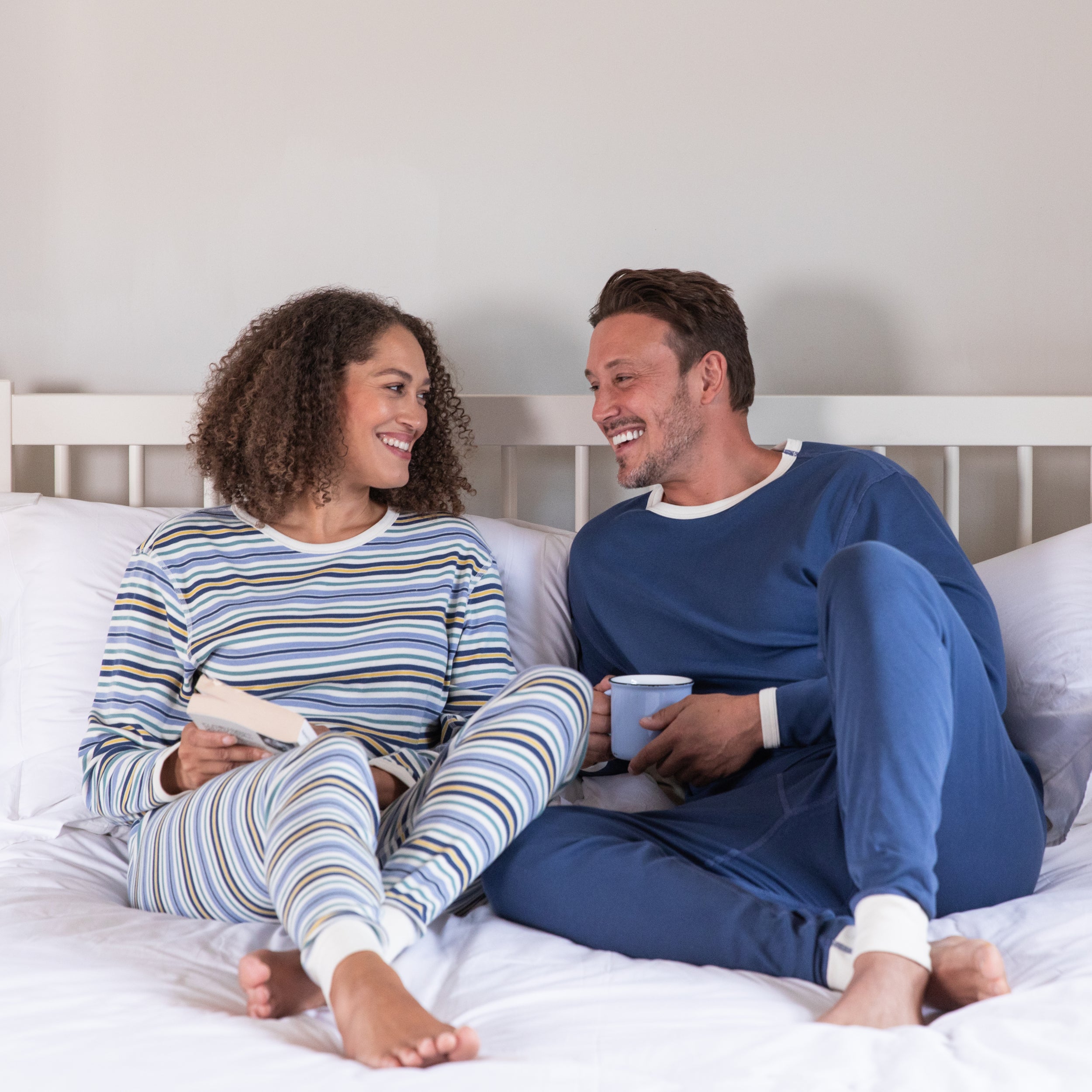
Explore our women’s cotton clothing, adult eczema nightwear and kids’ eczema nightwear.
What is the Best Fabric for Eczema?
The best fabrics for eczema are usually soft, comfortable and breathable, with minimal rubbing from seams, labels or rough fibres. Cotton, silk and bamboo-based fabrics are often comfortable choices, although everyone's skin is different. A natural fibre is not automatically suitable for sensitive skin.
Organic Cotton
Organic Cotton remains our preferred fabric for eczema-friendly clothing. Look for a soft finish, comfortable construction and care instructions that suit your needs.
Certifications such as GOTS (Global Organic Textile Standard) set requirements for organic fibres and restrict the chemicals used during textile processing. Certification does not mean a garment is chemical-free or guarantee that it will suit every person's skin.
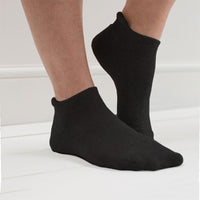
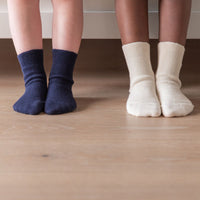
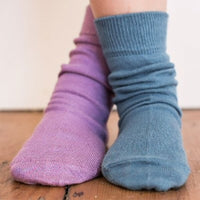
Some cotton garments can be washed at 60°C, while others need cooler washes. Always check the individual care label before washing. For sensitive feet, explore our guide to organic cotton socks and tights.
Silk
Silk is a strong natural fibre with a smooth texture that some people find comfortable against sensitive skin. Its softness can make it an appealing option when rough fabrics feel irritating.
The main drawbacks are its cost and care requirements. Silk garments often need gentle washing, so check the care label before buying.
Bamboo
Bamboo-based fabrics have grown rapidly in popularity. They often feel soft and lightweight, which can make them comfortable for sensitive skin.
Most bamboo clothing is made from processed fibres such as bamboo viscose, rather than directly woven plant fibres. The finished garment’s texture, fit and washing instructions are more useful guides to comfort than claims that bamboo is naturally hypoallergenic or antimicrobial.
Is Cotton or Bamboo Better for Eczema?
Both cotton and bamboo-based fabrics can feel comfortable against eczema-prone skin. Organic cotton remains our preferred choice, but there is no single fabric that suits everyone. Compare the softness, seams, fit and washing instructions of each garment, and choose what feels comfortable for you.
The same clothing may feel different during exercise, everyday wear and sleep. Consider how warm you become, whether the fabric rubs when you move and how it feels after prolonged wear. Try different fabrics and styles to find what suits your skin and daily activities.
Why We Choose Organic Cotton for Eczema Prone Skin
Organic cotton remains at the heart of our clothing range. We choose it for its potential to create soft, comfortable garments, alongside careful attention to seams, labels and fit. Here are the main reasons why we choose organic cotton for Eczema Clothing:
Breathability
Cotton can be a comfortable choice when you want to avoid feeling too warm. Fabric thickness, weave and the number of layers you wear also affect how cool a garment feels.
Softness and Comfort
A soft cotton fabric can help minimise rubbing against sensitive areas. We also look at garment construction, because rough seams, labels and tight fastenings can affect comfort regardless of the fibre.
Moisture Absorption
Cotton absorbs moisture, but damp fabric can still feel uncomfortable. Change clothing when it becomes sweaty or wet rather than relying on the material alone to keep your skin dry.
Organic Certification
Where a garment is GOTS-certified, the certification sets requirements for organic fibres and restricts chemicals used during processing. This does not mean the garment is chemical-free or guarantee that it will suit every person’s skin.
Washing and Care
Choose clothing with care instructions that suit your needs. Some cotton garments allow washing at 60°C, but this should always be checked on the label.
Emollient residue on clothing and bedding can make fabrics catch fire more easily. This applies to both paraffin-based and paraffin-free products. Washing can reduce residue but does not remove the risk completely. Keep affected fabrics away from cigarettes and naked flames.
Explore our eczema-friendly clothing for adults and children, including organic cotton socks for sensitive feet.
What are the Worst Fabrics for Sensitive Skin?
Some fabrics are more likely to feel rough, hot or uncomfortable against sensitive skin. However, individual reactions vary, and the construction of a garment matters as well as its material. These are some features to watch for.
Wool (Especially Coarse Wool)
Coarse wool can feel scratchy against sensitive or inflamed skin. Thick wool garments may also make you too warm. Finer wool feels different from coarse wool, but choose according to your own comfort rather than assuming every wool garment will suit you.
Is Polyester Bad for Eczema?
Some polyester garments can feel hot or uncomfortable against eczema-prone skin, particularly when they are thick or close-fitting. However, polyester fabrics vary, and not everyone finds them irritating. Pay attention to how the garment feels, whether you become sweaty and whether seams or finishes rub your skin.
Is Nylon Bad for Eczema?
Nylon garments vary in texture and construction. Some may feel uncomfortable if they fit tightly or make you too warm. For clothing worn directly against sensitive areas, prioritise a soft finish, comfortable fit and minimal rubbing.
Elastane, Spandex & Acrylic
Elastane, also known as spandex or Lycra, is often added to fabrics for stretch. A small amount can help a garment fit comfortably, but tight clothing may still rub or restrict movement. The overall fabric blend and fit matter more than the presence of elastane alone.
Acrylic knitwear can feel rough or warm against sensitive skin. If it makes you itch or overheat, choose a softer or lighter alternative.
Rough or Heavily Textured Fabrics (Tweed, Denim, Canvas)
Stiff or coarse fabrics can rub against sensitive skin, particularly around the thighs, underarms and neck. Not all denim or canvas feels the same, so check the texture and fit rather than judging by the material name alone.
Dyed or Chemically Treated Fabrics
Some people react to particular textile dyes or finishes. However, a dyed garment is not automatically unsuitable for eczema-prone skin. If you notice a repeat reaction to certain clothing, discuss it with a healthcare professional rather than assuming all dyes or treatments are the cause.
What About Modal and Viscose?
Modal and viscose are regenerated cellulose fibres, commonly made from wood pulp. They often feel soft and may be comfortable against sensitive skin. Their suitability depends on the finished fabric, fit and your individual response. Check the care label, as washing requirements vary between garments.
What About Tencel and Lyocell?
Lyocell is a fibre made from wood-derived cellulose. TENCEL™ is a brand name used for both lyocell and modal fibres. These fibres are known for their soft, smooth feel, which may make garments containing them comfortable against sensitive skin. Check the full fabric composition, seams, fit and washing instructions when choosing a garment.
Eczema Clothing for Children and Babies
Children with eczema may find rough clothing uncomfortable and can scratch without realising it, particularly during sleep. Helping protect itchy skin was the reason we originally created our Cotton Mitten PJs over 40 years ago.
For babies and children with eczema or sensitive skin, look for:
- Soft fabrics that feel comfortable against their skin.
- Smooth seams that minimise rubbing.
- No scratchy labels against sensitive areas.
- A fit that allows movement without tight cuffs or waistbands.
- Integrated scratch mittens where suitable, to help reduce damage from fingernails.
- Care instructions that allow regular washing.
Explore our kids’ eczema nightwear for clothing designed with comfort and scratch protection in mind. If your child’s skin is broken or itching regularly disrupts their sleep, speak to their healthcare professional. Clothing can support comfort but does not replace eczema treatment.
Frequently Asked Questions
Is cotton good for eczema?
Soft cotton is often a comfortable choice for eczema-prone skin. Seams, labels, fit and fabric thickness also matter. Check the care label rather than assuming all cotton garments can be washed at 60°C.
Is bamboo good for eczema?
Bamboo-based fabrics often feel soft and lightweight, which some people find comfortable. Most bamboo clothing uses processed fibres such as viscose. Choose according to the finished garment’s feel, fit and care requirements.
Is wool bad for eczema?
Coarse wool can feel scratchy against sensitive skin, and thick garments may make you too warm. Wool fabrics vary, so your own comfort is a better guide than the fibre name alone.
Is polyester bad for eczema?
Some people find polyester clothing hot or irritating, while others tolerate it. The fabric’s construction, thickness and fit affect comfort. Avoid garments that make you sweaty or rub sensitive areas.
Is silk good for eczema?
Silk’s smooth texture can feel comfortable against sensitive skin. It can be expensive and often needs gentle washing, so check the care instructions before buying.
Is acrylic good for eczema?
Some acrylic garments can feel rough or too warm. If they irritate your skin, choose a softer alternative. Reactions vary between people and garments.
Is organic cotton hypoallergenic?
The organic label does not guarantee that a garment will not cause irritation. Organic cotton can feel comfortable, but dyes, finishes, seams, labels and fit can also affect how your skin responds.
Can cotton cause eczema?
Cotton is often well tolerated, but a cotton garment can still irritate through rubbing, tightness or a reaction to dyes, finishes or laundry products. Organic cotton is not a guarantee against these reactions.
Which fabrics can be washed at 60°C?
Some cotton garments and bedding allow washing at 60°C, while others require cooler washes. Always check the individual care label. Fibre content alone does not tell you the safe washing temperature.
Feel Comfortable in Your Own Skin with Eczema Clothing
Living with eczema or sensitive skin can be challenging, but comfortable clothing can help reduce everyday rubbing and overheating. Look for soft fabrics, a suitable fit and thoughtful construction, while continuing your usual eczema treatment.
At Eczema Clothing, we understand how important that comfort is. That is why we have spent decades working with organic cotton to create and curate clothing that genuinely works for sensitive skin. Whether you are looking for nightwear to help you or your child sleep soundly, or everyday essentials that will not aggravate your skin, our collections are designed with care.
If you are ready to try clothing that puts your skin first, explore our range of organic cotton clothing for adults and eczema clothing for children - because feeling good in what you wear should never be complicated.