

Every August, Psoriasis Awareness Month puts a spotlight on one of the most common — and most misunderstood — chronic skin conditions in the UK. Around 1 in 50 people here live with psoriasis, roughly 1.3 million adults, yet it's still widely mistaken for "just dry skin" or, worse, assumed to be contagious.
To mark the month, we spoke with Karina Jackson, dermatology nurse consultant and trustee at The Psoriasis Association, and Janine Price, who has lived with psoriasis for years, about what the condition really involves and how everyday choices from fabric to stress management can really make a difference.
What is Psoriasis?
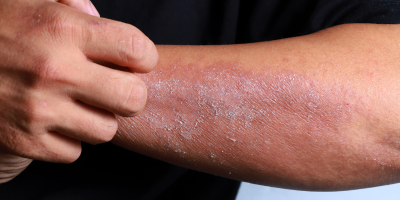
Psoriasis is an autoimmune condition that speeds up the skin's natural renewal cycle. Instead of shedding over weeks, skin cells build up in days, creating the red, flaky, scaly patches most people associate with the condition. It can appear anywhere on the body, and in around 1 in 4 cases it also affects the joints, causing psoriatic arthritis.
Psoriasis is not contagious. It's also frequently confused with eczema, and occasionally even with cirrhosis (a liver condition) purely because of the name — the two have nothing in common.
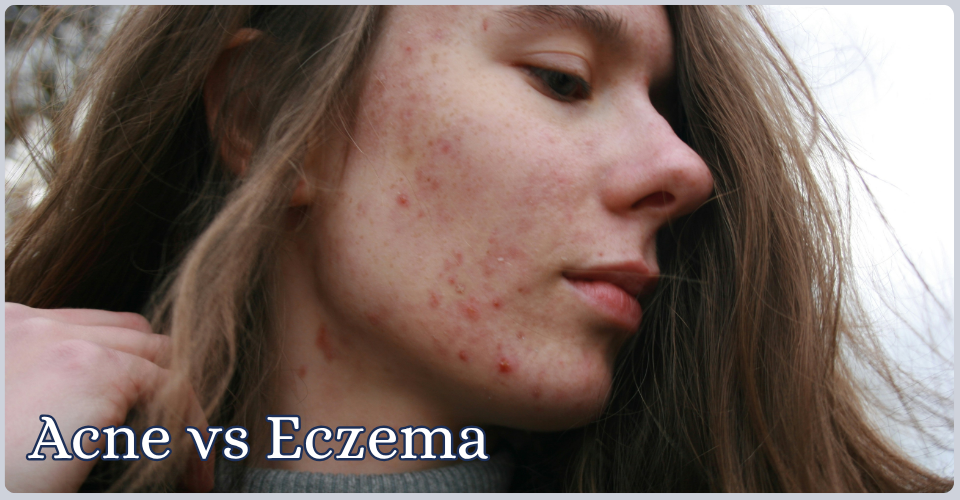
Psoriasis vs Eczema: What's the Difference?
Both are inflammatory skin conditions, but they behave differently:
- Psoriasis is autoimmune, tends to produce well-defined, silvery-scaled plaques, and commonly affects the elbows, knees, scalp and lower back.
- Eczema is more often linked to a compromised skin barrier and allergic triggers, causing intense itching and less clearly defined, sometimes weeping patches — commonly in the creases of elbows and knees.
Getting the right diagnosis matters, since treatment approaches differ. If you're unsure which you're dealing with, a GP or dermatologist referral is the place to start.
Psoriasis vs Eczema – a tale of two inflammatory skin conditions

Everyday Impact: Beyond Skin Symptoms
Karina Jackson explains that public understanding hasn't caught up with the reality of the condition:
"It is still not yet well understood amongst the general public that psoriasis is more than a skin condition – it is an immune-mediated condition which causes symptoms on the skin and sometimes the joints too, causing psoriatic arthritis.”
“The effects of psoriasis go beyond the physical symptoms. The condition can also have a significant impact on a person’s quality of life, being associated with depression, anxiety, shame, and low self-esteem. It can affect clothing choices, hobbies, relationships, work, and school.”

Common Psoriasis Myths, Debunked
- ❌ It's contagious. ✔ It's not — you cannot catch or pass on psoriasis through skin contact.
- ❌ It's just dry skin. ✔ It's an immune-mediated inflammatory disease, not a cosmetic issue.
- ❌ It's purely physical. ✔ It carries real psychological and social weight, from anxiety to social withdrawal.
WHY Clothing and Fabric Choices Matter
There's no universal fabric rule for psoriasis, but Karina notes that many people find certain materials worsen irritation and itching:
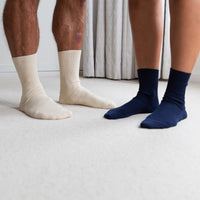
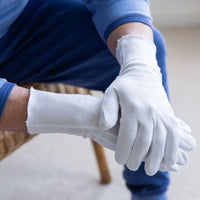
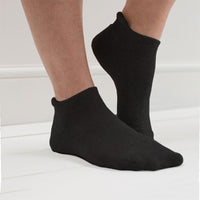
“Wearing light, breathable fabrics like cotton can help reduce sweating and irritation – especially in summer. In winter, layering cotton under wool can prevent itchiness. For genital psoriasis, loose-fitting cotton or silk undergarments are often preferable to nylon.”
“Beyond physical comfort, clothing can also affect confidence and self-esteem. Psoriasis is a visible condition, and clothing choices can be deeply personal.”
Living With Psoriasis: Janine’s Perspective
Janine Price shares her experience with honesty and vulnerability:
“Psoriasis affects daily life – it limits what I can do during a flare-up. It’s had a negative impact on my mental health, and the itch disturbs my sleep, which just adds to the exhaustion.”
“I was once asked if I had something contagious while swimming with my daughter. I was embarrassed and upset – I left and never went back. That kind of misunderstanding really sticks with you.”
On clothing:
“I wear light colours so flakes from my scalp or ears are less visible. Cotton is a must – polyester makes the itch worse.”
On lifestyle:
“I became inactive because of psoriasis and feeling embarrassed. That led to weight gain and worsened my confidence. It’s a cycle that’s hard to break.”

Lifestyle Tips to Manage Psoriasis
There's no single fix, but these habits can support fewer flare-ups and better day-to-day wellbeing.
Fabric and skincare
- Choose cotton or silk clothing and underwear
- Avoid harsh seams, tight waistbands or wool directly against skin
- Moisturise daily with fragrance-free emollients
- Use cotton bedding and nightwear to reduce night-time irritation
Diet and bodyweight Karina is candid about the evidence here: "We've heard anecdotally that diet affects psoriasis, though robust evidence is limited." Still, a balanced diet — vegetables, wholegrains, oily fish — and maintaining a healthy weight are worth pursuing, since excess weight is linked to worsened symptoms.
Stress and mental health
- Mindfulness, meditation or yoga to manage stress
- Consistent sleep hygiene and a wind-down evening routine
- Talking to a therapist or joining a support group
Habits worth reviewing
- Quitting smoking, a known trigger
- Limiting alcohol, which can also worsen flares
Support & Resources in the UK
You don't have to manage psoriasis alone. These UK organisations offer medical guidance, community, and emotional support:
- The Psoriasis Association — helpline, online community, research and events. Call 01604 251 620, WhatsApp 07387 716 439, or email mail@psoriasis-association.org.uk (Mon–Fri, 9am–4pm)
- Your GP or dermatologist — for a discussion of UV (light) therapy or biologic treatment options
- Changing Faces — emotional support specifically around visible differences
Janine sums up what that support has meant to her: "I'm grateful to The Psoriasis Association and support the wonderful work they do. They've helped me feel seen and supported."
Frequently Asked Questions
Is psoriasis contagious? No. Psoriasis is an autoimmune condition, not an infection, so it cannot be passed from person to person through touch, water, or shared clothing.
What triggers a psoriasis flare-up? Common triggers include stress, smoking, alcohol, certain medications, infections, and skin injury. Triggers vary from person to person, so keeping a symptom diary can help identify your own patterns.
What's the best fabric to wear with psoriasis? Breathable natural fabrics like cotton and silk are generally better tolerated than synthetic materials like nylon or polyester, which can trap heat and worsen itching.
Can psoriasis be cured? There's currently no cure, but a range of treatments — topical creams, light therapy, and biologic medications — can significantly reduce symptoms and improve quality of life. A GP or dermatologist can advise on the right approach.
How common is psoriasis in the UK? Around 1 in 50 people in the UK live with psoriasis — roughly 1.3 million people, or about 2% of the population.
Dressing for Comfort and Confidence
Finding the right clothing can bring both physical relief and emotional confidence during a flare-up. Explore Cotton Comfort's soft, skin-friendly cotton range, designed to minimise irritation and support you through every stage of managing psoriasis.
[Shop Cotton Clothing for Sensitive Skin →]