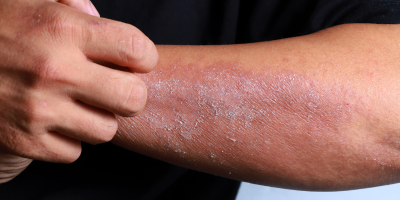


Night-time itching can make it difficult to fall asleep and leave you waking up scratching. If you have eczema, small changes to your bedroom, clothing and evening routine may help you feel more comfortable. This guide covers practical ways to manage discomfort and reduce damage from scratching alongside your usual eczema treatment.
Practical Ways to Manage Eczema Itching at Night
Keep your bedroom comfortably cool
Choose bedding and nightwear that help you stay comfortable without getting too hot. Adjust your layers if you wake up feeling warm or sweaty, and avoid heavy bedding that makes you overheat.
Follow your usual skin-care routine
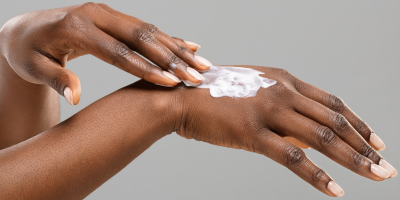
Use your emollient regularly and follow the instructions for any prescribed treatments. Make skin care part of your evening routine rather than waiting until itching keeps you awake. If you use an emollient alongside another skin treatment, follow your healthcare professional's advice about how to apply them.
Reduce damage from scratching
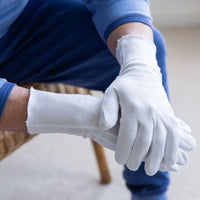
Keep fingernails short and smooth. Soft cotton gloves or nightwear with built-in scratch mittens may help reduce damage from fingernails while you sleep. They do not treat eczema or guarantee that scratching will stop.
Make time to wind down
Try a regular bedtime and a quiet activity before sleep, such as reading or listening to something relaxing. If breathing exercises or guided relaxation help you unwind, include them in your routine without putting pressure on yourself to fall asleep immediately.
What to Wear at Night with Eczema
Look for soft, breathable nightwear with comfortable seams and minimal rubbing from labels or fastenings. Choose a fit that allows movement without tight areas or excess fabric bunching against your skin.
Soft cotton pyjamas
Cotton is often a comfortable option for sensitive skin. Check each garment's fabric composition and design, as seams, labels and fit can matter as much as the material. Explore our adult eczema nightwear and children's eczema nightwear.
Cotton gloves and scratch mittens
Hand coverings provide a fabric barrier between fingernails and skin. Options include adult eczema gloves, kids' eczema gloves and garments with built-in mittens, such as our Adult Eczema Scratch Mitten T Opening Hand and Eczema Scratch Mitten T for kids. Check sizing carefully so the garment is comfortable to wear.
Explore our range of anti-scratch mittens for eczema, including clothing with built-in mittens.
Protective sleeves
If you prefer to cover your arms separately, explore our adult protective arm sleeves and kids' protective arm sleeves. Check the product details and fit, particularly around the upper arm. Browse our full range of cotton gloves and sleeves for eczema.
For more information about clothing materials, read our guide to natural fabrics for eczema and sensitive skin.
Helping Children with Eczema Feel Comfortable at Night
A simple, familiar evening routine can make it easier to fit skin care around bedtime. Follow your child's treatment plan and choose nightwear that feels comfortable against their skin.
- Check for scratchy labels, rough seams and tight cuffs or waistbands.
- Adjust clothing and bedding if your child feels too warm.
- Keep fingernails short and smooth to help reduce scratching damage.
- Wash nightwear according to its care label, using products your child's skin tolerates.
- Speak to their healthcare professional if itching regularly disrupts sleep despite treatment.
For babies, follow age-appropriate safer sleep guidance rather than applying adult bedding advice. See the NHS advice on helping your baby sleep.
Wash Nightwear and Bedding with Care
Follow the care label for each garment and bedding item. Do not assume everything can be washed at 60°C. Avoid detergents or fabric conditioners you know irritate your skin.
Emollient residue on clothing and bedding can make fabrics catch fire more easily. Keep them away from cigarettes and naked flames. Washing can reduce residue but does not remove the risk completely. Read the NHS guidance on using emollients safely.
Why Does Eczema Feel Worse at Night?
If you want to understand the reasons behind night-time itching, read our separate guide to why eczema is worse at night. For more about scratching while asleep, see why we scratch unconsciously at night.
Other Frequently Asked Questions
How can I stop scratching eczema in my sleep?
You cannot always control scratching while asleep. Following your eczema treatment plan, avoiding overheating and choosing comfortable nightwear may help you manage discomfort. Short, smooth fingernails and cotton gloves or built-in scratch mittens may help reduce skin damage. If scratching regularly interrupts your sleep, speak to your GP or dermatology team.
Do cotton gloves help at night?
Cotton gloves can provide a soft barrier between your fingernails and skin, which may help reduce damage from scratching. Choose a comfortable fit and keep them clean. Gloves do not treat the underlying eczema or remove the need for your usual skin care.
What pyjamas are best for eczema?
Look for soft, breathable pyjamas with comfortable seams, minimal irritating labels and a fit that does not rub or restrict movement. Cotton is often a comfortable choice, although individual preferences vary. If scratching is a problem, you may prefer nightwear with built-in scratch mittens.
How cool should the bedroom be?
Aim for a temperature that feels comfortably cool without making you cold. Adjust nightwear and bedding if you become hot or sweaty. For babies, follow specific safer sleep guidance on room temperature, clothing and bedding.
Disclaimer: This blog provides general advice and tips. Always consult a healthcare professional for personalised medical guidance.