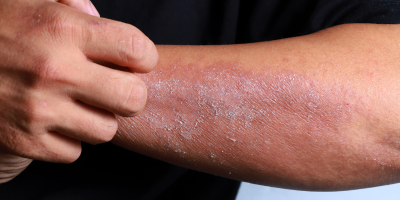


Living with eczema, it can sometimes feel as though your symptoms are waiting patiently for the sun to go down before launching an attack.
You may spend the entire day feeling relatively comfortable, only for the itching, irritation and discomfort to arrive with impressive speed the moment your head hits the pillow. On particularly frustrating nights, it can even begin before you've made it to bed, as if your eczema knows exactly what's coming.
If you've ever wondered, 'Why is my eczema worse at night?', you're certainly not alone. Eczema itching at night is one of the most common complaints among people living with the condition.
The good news is that there are genuine physiological reasons behind nighttime eczema. Better still, there are practical steps you can take to reduce irritation, improve sleep quality and make those long nights a little more manageable.
Why Does Eczema Feel Worse at Night?
Before we talk about solutions, it helps to understand what's actually happening in the body. Several factors combine to make eczema symptoms feel worse overnight.
Body Temperature
As your body prepares for sleep, your core temperature naturally begins to fall. This process helps signal to the brain that it's time to rest.
However, while your core temperature drops, blood vessels near the surface of your skin expand to release heat. As a result, your skin can actually feel warmer.
For many people with eczema, heat is a significant trigger. This increase in skin warmth can worsen itching and irritation, particularly if your bedroom is too warm or your bedding traps excess heat.
Cortisol Levels
Cortisol is a hormone that helps regulate inflammation throughout the body. Its levels naturally rise and fall according to your circadian rhythm and are generally lower in the evening and early night. Researchers suggest this may contribute to increased night-time itching, although it is only one of several possible factors.
Fewer Distractions
During the day, work, conversations, exercise and general life provide countless distractions from itching. At night, those distractions disappear and every irritation seems to demand your attention.
Skin Becomes Drier Overnight
Our skin naturally loses moisture throughout the day and night. For people with eczema, whose skin barrier is already weakened, this moisture loss can leave the skin feeling dry, tight and irritated by the early hours of the morning.
Could Your Bedding Be Making Eczema Worse at Night?
Alongside changes in your body's daily rhythms, it's worth considering what you're sleeping on and under.
House dust mites live in mattresses, pillows, duvets and bedding, particularly in warm and humid environments. Their droppings can aggravate eczema in some people who are allergic to them, but they do not explain everyone's night-time symptoms.
For some people, dust mites and bedding materials can make eczema itching at night feel considerably more intense, particularly if symptoms are already being aggravated by heat or dry skin.
The fabrics we sleep in and under can also have an impact. Rough or synthetic materials may create friction against the skin, trap heat and reduce airflow, all of which can worsen irritation overnight.
Shop our range of bedding for eczema here.
Can Eczema Cause Sleep Problems?
Many people with eczema become trapped in the itch-scratch cycle. Scratching provides temporary relief but damages the skin barrier and increases inflammation, creating even more itching. Over time, this can lead to poor sleep, fatigue and increased stress.
What Can Help with Eczema Itching at Night?
Following your usual eczema treatment, keeping your bedroom comfortably cool and choosing soft nightwear may help improve comfort overnight.
For practical tips on skin care, clothing and reducing scratching damage, read our guide to how to stop eczema itching at night.
You can also explore our advice on creating an eczema bedtime routine
Other Frequently Asked Questions
Why does eczema itch more at night?
Changes in skin temperature, moisture loss and the body's daily rhythms may contribute to night-time itching. Warm bedding and fewer distractions can also make symptoms feel more noticeable.
Can bedding make eczema worse?
Bedding can add to discomfort if it feels rough or traps too much heat. Laundry products may also irritate sensitive skin. House dust mite droppings can aggravate eczema in people who are allergic to them, but they are not a trigger for everyone.
Does heat make night-time itching worse?
Heat and sweating can make eczema feel itchier. A warm bedroom, heavy bedding or thick nightwear may contribute to overheating and discomfort.
Final Thoughts
Night time eczema can feel exhausting, frustrating and occasionally downright unfair. However, understanding why eczema is worse at night allows you to make practical changes that can genuinely improve comfort and sleep quality. Small changes, applied consistently, often produce the biggest results.
You might also find it useful to explore our other sleep and eczema advice found in our other blog posts linked below:
- Preparing for better sleep, then letting go
-
Sleeping Better: A combined Skincare and Clothing Approach to Getting A Better Night’s Sleep
- A Guide to Better Sleep: Choosing the Right Bedding For Eczema Relief